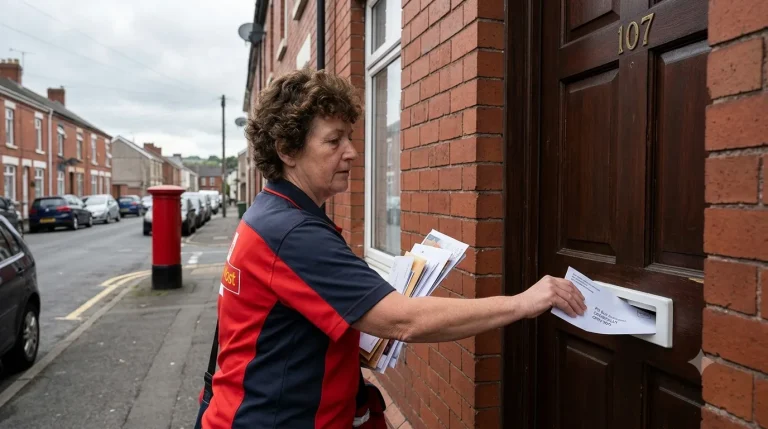
In a significant regulatory move, Royal Mail has been hit with a £21 million fine by Ofcom, the UK’s communications watchdog, for missing its delivery targets during the 2024/25 financial year.
This penalty not only underscores persistent operational failures within one of Britain’s oldest institutions but also raises questions about the reliability of a service millions depend on daily.
With first-class and second-class letters consistently arriving late, public trust is eroding, and stakeholders are pressing for tangible improvements.
This blog explores the reasons behind the fine, the company’s response, and what lies ahead for the UK’s national postal service.
Why Did Ofcom Impose a £21 Million Fine on Royal Mail in 2025?

The fine followed a thorough investigation by Ofcom, revealing Royal Mail’s widespread failure to meet its Universal Service Obligation (USO). The company missed its delivery targets without any acceptable justification, despite having submitted an improvement plan the year before.
Ofcom’s findings show:
- Royal Mail failed to take adequate steps to prevent service failure.
- The company did not provide valid exceptional circumstances such as extreme weather or strikes that could justify the breach.
- Millions of letters, including critical personal and official communications, were delayed.
Ofcom stressed that penalties will only escalate unless there’s evidence of meaningful change and measurable service improvement.
How Badly Did Royal Mail Miss Its Delivery Targets?
The performance of Royal Mail during the 2024/25 financial year fell well below the mandated thresholds, significantly affecting the public.
Royal Mail Delivery Performance (2024/25)
| Mail Class | Target Delivery % | Actual Delivery % | Shortfall (%) |
| First-Class Mail | 93% | 77% | -16% |
| Second-Class Mail | 98.5% | 92.5% | -6% |
Additional data highlights that over one in five first-class letters were delayed. This not only breaches regulatory standards but also erodes the confidence of users who rely on timely deliveries for essential needs.
Royal Mail also reportedly failed to monitor internal performance effectively, allowing the delivery shortfall to persist without timely corrective action.
What Were the Main Reasons Behind the Delivery Failures?

While Royal Mail attributed some delays to operational pressures, Ofcom found these explanations inadequate, pointing to systemic issues.
Key Contributing Factors:
- Staffing Shortages: Increased absenteeism, lack of experienced delivery staff, and a high turnover rate.
- Infrastructure Strain: Ageing logistics systems failed to cope with demand and geographical delivery complexity.
- Increased Volume: Despite declining letter volumes, parcel handling and hybrid mail models added unexpected strain.
Moreover, seasonal fluctuations such as holidays and promotional periods were poorly planned for, causing service bottlenecks.
How Has Royal Mail Responded to Ofcom’s Enforcement Action?
Royal Mail has reiterated its commitment to improvement, but Ofcom remains sceptical due to its track record.
Response Measures:
- Increased recruitment and revised training for front-line workers.
- Implementation of digital tools for real-time route optimisation.
- Adjustments in delivery logistics in pilot regions showing early success.
Additionally, Royal Mail pledged to introduce performance transparency reports, which will track weekly delivery metrics made available to both Ofcom and the public.
However, experts note that without cultural change at the management level, these measures may lack sustainability.
Are Ofcom’s Expectations for Delivery Realistic?

Are Ofcom’s expectations for delivery realistic? Critics argue that the regulator’s targets do not fully reflect the current challenges of postal operations in a digitally driven economy.
They point out that factors like rising online competition, workforce constraints, and evolving delivery demands make consistent performance difficult.
However, Ofcom maintains that basic reliability remains essential, particularly for vulnerable groups. This includes the elderly, who depend on letters for healthcare and pensions, people in rural areas with limited internet access, and those receiving legal or government correspondence that can only be delivered by post.
Ofcom also considered mitigating circumstances, such as adverse weather or industrial action, but concluded these did not justify the 2024/25 failures. Ultimately, these standards aim to ensure fair and equitable postal access across the UK.
What Role Did the Royal Mail Takeover and Restructuring Play?
The acquisition of Royal Mail’s parent company, IDS, by Czech billionaire Daniel Křetínský, was a turning point. The deal was aimed at transforming Royal Mail into a financially viable and modern logistics company.
Post-takeover developments include:
- Return to profit for the first time in three years.
- Approval to restructure delivery obligations under the USO.
- Launch of Royal Mail shops, enabling in-person postage and collection services.
However, critics argue that profitability gains came at the expense of service quality, particularly as focus shifted to efficiency rather than customer satisfaction.
Timeline of Key Corporate Changes
| Date | Milestone |
| April 2025 | IDS acquired by Daniel Křetínský |
| July 2025 | Ofcom approves changes to USO |
| September 2025 | Royal Mail returns to profit |
| October 2025 | £21m fine announced by Ofcom |
Corporate restructuring may have stabilised Royal Mail financially, but has yet to improve delivery service performance.
Will the Universal Service Obligation Changes Fix Royal Mail’s Problems?

To address logistical inefficiencies, Ofcom approved modifications to the USO, allowing Royal Mail to:
- End Saturday second-class deliveries
- Adopt alternate weekday delivery for second-class letters
Royal Mail claims these changes:
- Free up resources to improve first-class performance
- Allow for a more sustainable delivery model
- Show positive early results in pilot areas
However, the rollout remains slow and has yet to make a meaningful national impact. Customer advocacy groups have expressed concern that reduced services could further harm consumer trust.
What Does the Future Hold for Royal Mail and Its Customers?
The coming years will be crucial in determining Royal Mail’s relevance in an increasingly digital society. One major initiative is the rebranding of over 8,000 Collect+ stores into Royal Mail Shops, providing improved in-person postage services.
At the same time, digital transformation is underway, including delivery tracking apps and automation in sorting centres, aiming to enhance efficiency and customer experience.
Sustainability is also a key focus, with plans for low-emission delivery vans and eco-friendly packaging. To regain public trust, Royal Mail must prioritise reliability, accessibility, and transparency, especially for underserved communities.
Conclusion
The £21 million fine imposed on Royal Mail by Ofcom is more than just a financial penalty, it’s a stark reminder of the essential role postal services play in the daily lives of UK residents.
Persistent delivery failures, unmet obligations, and ineffective improvement plans have shaken public confidence. While recent corporate restructuring and regulatory changes offer a path forward, Royal Mail must now prioritise meaningful reform over promises.
Only through transparent action, investment in its workforce, and commitment to reliable service can it restore trust and fulfil its obligations as a national postal provider in the modern era.
Frequently Asked Questions
What does Ofcom regulate when it comes to postal services?
Ofcom monitors service standards, delivery performance, and compliance with the Universal Service Obligation.
How does a delivery fine like this affect Royal Mail financially?
It directly impacts profits and pressures the company to reallocate funds toward operational improvements.
Have other postal services in the UK ever faced similar fines?
Royal Mail is the primary universal postal service and has faced the majority of enforcement action in this sector.
What are customers rights when Royal Mail fails to deliver on time?
Customers may be entitled to compensation or refunds depending on the service and delay impact.
Is there compensation available for late or lost letters?
Yes, Royal Mail offers claims for lost or delayed items if certain conditions are met.
How can businesses protect themselves from postal service disruptions?
Businesses often use tracked or courier services and maintain backup communication channels.
What should consumers expect from Royal Mail in the coming years?
Improved digital integration, adjusted delivery schedules, and enhanced customer service if reforms succeed.