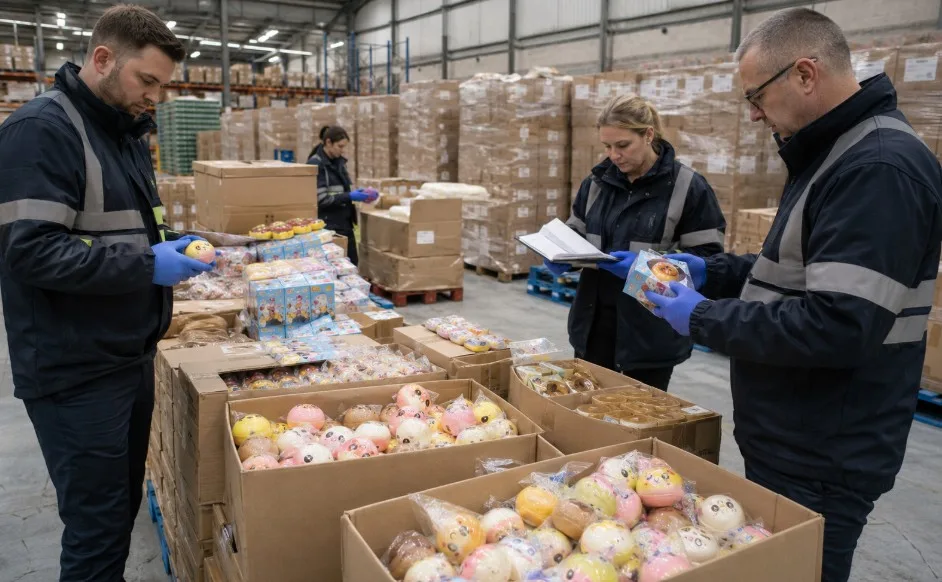

The Trading Standards Glasgow Toy Warning follows the seizure of more than 5,900 counterfeit squishy toys from a Glasgow warehouse.
Popular on TikTok and YouTube, the toys were removed over safety concerns, including chemical exposure, choking hazards, flammability risks, and missing age warnings.
Glasgow City Council said the action prevented over £400,000 worth of potential harm, highlighting the importance of checking safety labels and UKCA or CE markings before buying toys.
Key Points:
- Over 5,900 fake squishy toys were seized in Glasgow.
- The toys may contain phthalates, solvents, and formaldehyde.
- Parents are urged to buy only from trusted retailers.
- Missing UKCA/CE markings, age warnings, or manufacturer details are warning signs.
What Happened in the Glasgow Trading Standards Toy Seizure?
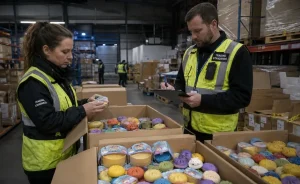
Trading Standards officers seized more than 5,900 counterfeit squishy toys from a warehouse on Commerce Street in Glasgow. The products were described as viral “squishy” toys, often resembling dumplings and sold in dim sum-style boxes. Many are “blind packed”, meaning buyers only discover which toy they have after opening the box.
Their popularity has been driven by social media unboxing videos, especially on TikTok and YouTube. However, this demand has created an opportunity for counterfeiters to sell cheaper, incorrectly labelled products that may not meet UK toy safety standards.
“Trading Standards activity is not only about removing illegal goods; it is about stopping unsafe products before they reach children and households,” a consumer safety officer would note in this type of enforcement context.
The seizure was significant because it targeted the supply chain before the products could spread further into shops, online marketplaces or informal retail channels.
Why Were More Than 5,900 Counterfeit Squishy Toys Removed from the Market?
The toys were removed because they were suspected counterfeit products that had not passed required health and safety checks. Counterfeit toys often imitate a genuine product’s appearance but fail to meet the same testing, labelling and manufacturing standards.
How Trading Standards Officers Identified the Fake Toys?
Officers examined the toys, packaging and labelling. Common concerns included missing or incorrect safety markings, lack of manufacturer details, unclear age warnings and poor product information.
Identification factors:
- Missing UKCA or CE marking
- No manufacturer or importer details
- No age restriction or safety warning
- Strong chemical smell
- Suspiciously low price
- Poor-quality packaging
- No “do not eat” warning on food-like toys
These checks help officers determine whether products are compliant, genuine and safe for sale.
What Made These Counterfeit Products Non-Compliant?
The products were considered unsafe because they may have contained harmful substances, lacked proper warnings and failed to meet safety standards. Some may also split open, releasing unknown materials and increasing the risk of harm.
| Compliance issue | Why it matters |
| Missing UKCA/CE marking | Suggests the toy may not have been properly assessed |
| No age warnings | Increases risk for younger children |
| Chemical odour | May indicate unsafe substances |
| No manufacturer details | Makes traceability difficult |
| Weak packaging | Raises concerns about authenticity and safety |
| Food-like design without warning | May increase accidental misuse |
This is why the Trading Standards Glasgow Toy Warning is relevant beyond one warehouse seizure.
What Safety Risks Did the Seized Squishy Toys Pose to Children and Consumers?
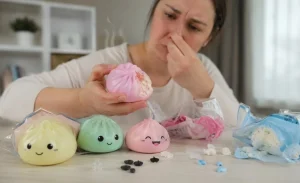
The main risks involved chemical exposure, choking hazards, flammability concerns and unknown contents. Unsafe squishy toys may contain substances such as phthalates, solvents and formaldehyde. These can potentially cause skin irritation, headaches, nausea, allergic reactions or breathing problems.
There is also a physical safety concern. Younger children may bite, tear or swallow parts of soft toys, especially when the item resembles food.
If the toy splits, unknown gel or foam material may spill out. Without proper labelling, parents may not know the age suitability, materials used or safe handling instructions.
How Dangerous Chemicals in Counterfeit Toys Can Affect Health?
Counterfeit toys may not go through the same testing as legitimate products. That means materials, dyes, gels, foam and adhesives may not be checked against UK safety requirements.
Which Substances Were Found to Be a Concern?
According to Glasgow City Council and Trading Standards, some counterfeit squishy toys may contain substances such as phthalates, solvents, and formaldehyde. These chemicals can raise safety concerns when used in excessive amounts or in products that have not undergone proper testing.
Phthalates are used to make plastics more flexible, while solvents may be used during manufacturing. Formaldehyde can release strong odours and may cause irritation.
The presence of these substances is concerning because counterfeit products may not meet UK safety standards or exposure limits.
Potential Short-Term Health Effects on Children
Children may be more vulnerable to unsafe toy materials because they frequently handle toys and may place them in their mouths. Exposure to certain chemicals could contribute to short-term health issues.
Reported concerns include:
- Skin irritation and allergic reactions
- Headaches from strong chemical odours
- Nausea or discomfort
- Eye irritation
- Breathing difficulties in sensitive individuals
Not every counterfeit toy will cause these effects, but the lack of proper testing increases uncertainty about product safety. Regulators therefore advise avoiding toys with strong chemical smells or poor labelling.
Additional Risks Beyond Chemical Exposure
Chemical safety is only one of several concerns associated with counterfeit toys. Many imitation products use lower-quality materials and may not meet UK physical safety standards.
Some counterfeit squishy toys may fail flammability requirements, while others may tear or break more easily, creating potential choking hazards. Missing labels can also make it harder for parents to assess whether a toy is suitable for a child.
“A toy that looks harmless can still present a risk when its materials, labelling and supply route cannot be verified,” a product compliance specialist would advise.
The combination of chemical concerns, poor manufacturing quality, and missing safety information explains why Trading Standards authorities continue to take action against counterfeit toys and encourage consumers to buy from trusted retailers.
Why Are Viral TikTok and Social Media Toys Becoming a Target for Counterfeiters?
Viral products create fast-moving demand. When children see unboxing videos online, parents may search quickly for the same item, often looking for the cheapest available version. Counterfeiters exploit that urgency by producing imitation toys that look similar in photos but may not meet safety rules.
The blind-box format also helps counterfeiters because buyers focus on surprise, collectability and design rather than manufacturer details. Online listings can make fake toys appear genuine through copied images, similar names and low prices.
Social media trends move faster than traditional retail checks, so parents and retailers need to be cautious when buying toys that suddenly become popular.
How Does Trading Standards Protect Consumers from Unsafe and Counterfeit Toys?
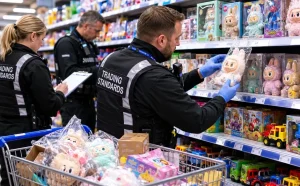
Trading Standards teams protect consumers by inspecting premises, investigating supply chains, checking product labels and removing unsafe goods from sale.
They also work with businesses to improve compliance and may take enforcement action where products breach safety or intellectual property laws.
| Trading Standards role | Consumer benefit |
| Warehouse inspections | Stops unsafe goods before wider distribution |
| Retail checks | Reduces risk in shops and local markets |
| Product label reviews | Identifies missing warnings and traceability issues |
| Counterfeit investigations | Protects brands and consumers |
| Public warnings | Helps families make safer buying decisions |
In this case, officers prevented thousands of potentially unsafe toys from entering the wider market.
What Warning Signs Can Help Parents Spot Fake Squishy Toys Before Buying?
Parents should be cautious when a toy is unusually cheap, poorly packaged or missing essential safety information. Squishy toys that resemble food should also include clear warnings to prevent misuse by younger children.
Practical safety checks:
- Check for UKCA or CE marking.
- Look for manufacturer and importer details.
- Read age restrictions and safety warnings.
- Avoid toys with a strong chemical smell.
- Be wary of prices that seem too low.
- Avoid unpackaged toys or vague online listings.
- Check whether the seller is reputable.
These steps cannot guarantee every product is genuine, but they reduce the risk of buying unsafe counterfeit toys.
What UK Toy Safety Rules, UKCA Requirements and Retailer Responsibilities Apply in 2026?
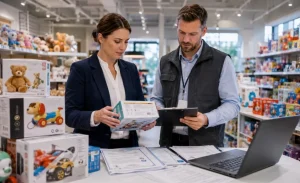
Toys sold in the UK must comply with relevant product safety rules, including requirements around materials, chemical safety, flammability, labelling and traceability. Businesses selling toys should ensure products are tested, correctly marked and supported by proper documentation.
Retailers should not rely only on supplier promises. They need to check packaging, warnings, product markings and supplier credibility. Importers and distributors also have responsibilities to ensure toys are safe before they reach consumers.
Key Product Safety Requirements for Toys Sold in the UK
Toy safety requirements generally cover physical risks, chemical risks, flammability, hygiene, age suitability and clear instructions. Products should be traceable to a responsible manufacturer or importer.
UKCA and CE Markings Explained for Consumers
UKCA and CE markings indicate that a product has been assessed against relevant safety requirements. However, markings can be copied, so consumers should also check the quality of the packaging, seller details and instructions.
“Safety markings are important, but they should be considered alongside traceable supplier information, age guidance and clear warnings,” a retail compliance adviser would explain.
What Does the Glasgow Toy Warning Mean for Parents, Retailers and the Wider UK Market?
The Glasgow case shows how quickly counterfeit products can enter the market when a toy becomes popular online. For parents, the warning is a reminder to avoid impulse purchases from unknown sellers. For retailers, it highlights the need for supplier due diligence and accurate product checks.
The wider UK market is also affected. Counterfeit toys harm legitimate businesses, reduce consumer trust and create avoidable safety risks. Glasgow City Council estimated that the seizure saved approximately £419,000 in potential harm, including health and safety risks, property damage, replacement costs and business losses.
Conclusion
The Trading Standards Glasgow Toy Warning highlights the growing risks associated with counterfeit toys entering the UK market. The seizure of more than 5,900 fake squishy toys demonstrates the importance of product safety enforcement and consumer awareness.
By purchasing from trusted retailers, checking UKCA or CE markings, and reviewing safety information carefully, parents can reduce potential risks and help ensure children enjoy toys that meet recognised safety standards.
Frequently Asked Questions
Can counterfeit toys still be sold through online marketplaces in the UK?
Yes, counterfeit toys can appear on online marketplaces, especially when sellers use copied images or vague product descriptions. Consumers should check seller reviews, product labels, safety markings and return information before purchasing.
What should consumers do if they have already purchased a suspected fake toy?
They should stop children from using it, keep the packaging, record where it was bought and report concerns to the retailer, marketplace or local Trading Standards service.
Are counterfeit sensory and squishy toys covered by product recall procedures?
They may be subject to withdrawal, recall or enforcement action if found unsafe. However, counterfeit goods can be harder to trace because sellers may not provide accurate manufacturer information.
How can retailers verify that their toy suppliers are legitimate?
Retailers should request invoices, safety documentation, test evidence, manufacturer details and proof of authorised supply. They should avoid suppliers offering unusually low prices with limited paperwork.
What penalties can businesses face for selling counterfeit toys?
Businesses may face enforcement action, product seizure, financial penalties, prosecution and reputational damage, depending on the seriousness of the breach.
Why do counterfeit toys often lack proper safety information and instructions?
Counterfeiters usually focus on copying the appearance of a product rather than meeting legal safety standards. Proper labelling, testing and traceability add cost, which fake suppliers often avoid.
Where can unsafe toys or counterfeit products be reported in the UK?
Consumers can report unsafe or counterfeit toys to the retailer, the online marketplace, Citizens Advice consumer service or their local Trading Standards team.