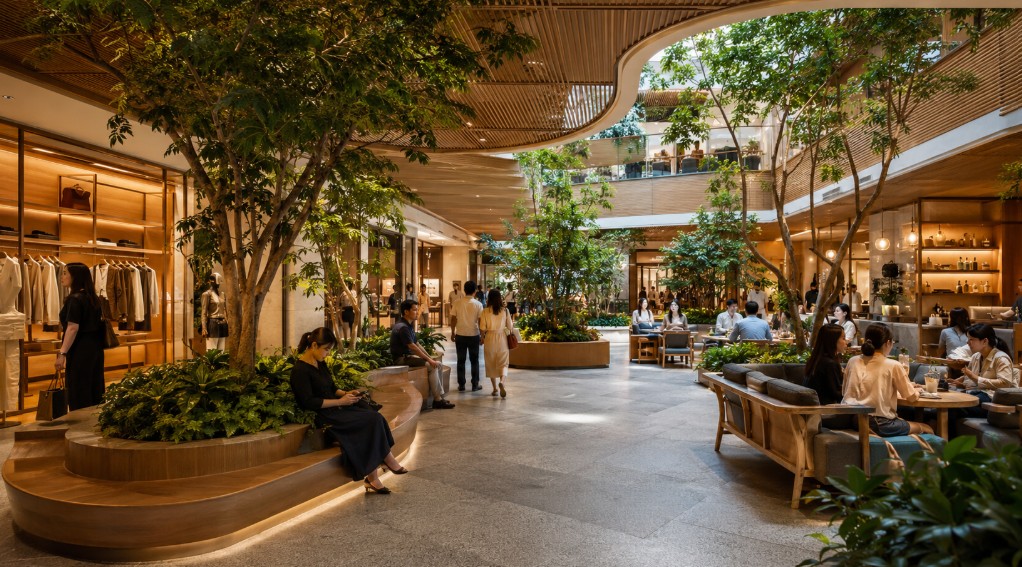

Retail design succeeds most when it creates layered experiences that invite visitors to linger, explore and connect with their surroundings on multiple levels. This guiding idea shapes every successful project in large leisure destinations, where the goal is to blend shopping with a sense of occasion so that each area feels purposeful yet surprising.
The result is spaces that heighten both excitement and relaxation without ever feeling forced. Many leisure seekers now look for similar depth across different formats, turning to non gamstop casinos for the same feeling of freedom and varied pacing they enjoy in well-designed physical environments.
The principle remains consistent, give people choices that unfold gradually rather than presenting everything at once. In practice this means thinking about arrival sequences, dwell times and the way one activity flows into the next, whether that involves browsing a boutique, pausing for coffee or simply soaking up the atmosphere created by thoughtful spatial planning.
Lighting as the First Layer
Lighting sets the initial tone in any large leisure setting. Warm, directional sources can draw attention to retail displays while softer, indirect glows encourage people to pause in seating areas. Designers often work with layered circuits so that the same space can shift from energetic midday brightness to a calmer evening mood.
This flexibility supports longer visits without tiring the senses. Beyond basic functionality, lighting can also reinforce narrative elements within a scheme, guiding the eye toward focal points that tell a story about the destination’s identity.
For instance, subtle changes in colour temperature throughout the day help mimic natural rhythms, making indoor environments feel more intuitive and less artificial.
When these effects are calibrated carefully, visitors report feeling more at ease and inclined to extend their stay, which in turn benefits retailers and leisure operators alike.
Circulation That Encourages Discovery
Pathways need to feel generous yet purposeful. Gentle curves rather than straight corridors allow glimpses of upcoming zones, prompting visitors to slow down and take in window displays or seating nooks.
Clear sightlines to key landmarks, such as a central atrium or feature staircase, prevent the frustration of getting lost. When circulation works well, people naturally move between retail zones and leisure areas without conscious effort.
Thoughtful wayfinding can further enhance this sense of ease by incorporating subtle cues such as changes in flooring texture or ceiling height that signal transitions between different types of experience.
Over time, these details accumulate into a coherent mental map, allowing repeat visitors to navigate confidently while still discovering fresh details on each trip.
Sensory Details That Deepen Engagement
Beyond sight and movement, texture and scent add further layers. Studies of resort environments show how materials like polished stone, timber and soft textiles can signal different zones while remaining cohesive overall.
Subtle background sounds and controlled fragrance diffusion help define areas without overwhelming conversation. These elements reward repeat visits because each return reveals something new.
Architectural graduate research demonstrates that multisensory coherence strengthens emotional attachment to a place, encouraging guests to linger and ultimately spend more.
When designers pay attention to acoustics, for example, they can reduce echo in busy zones while preserving lively chatter in social areas, creating an environment that feels both energetic and comfortable.
Balancing Retail with Wider Leisure Zones
Successful projects treat shops as one thread within a larger fabric of dining, performance and relaxation spaces. Research on brand experience highlights that visitors value consistency across these threads, so signage, colour palettes and material choices carry through from retail to adjacent leisure areas.
The aim is seamless movement rather than abrupt changes that break the spell. Brand experience insights underline how even small details such as consistent lighting levels or shared planting schemes help maintain immersion.
This continuity matters particularly in large destinations where guests might move between a flagship store, a cinema and a spa within a single visit, any jarring shift risks pulling them out of the moment and shortening their overall stay.
Materials That Age Gracefully
Durability matters in high-traffic leisure destinations. Natural materials that develop character over time often outperform high-gloss finishes that show wear quickly.
Spatial design principles for reflecting luxury brand identity in retail environments emphasise how quality surfaces reward close inspection, inviting touch and closer engagement.
This approach keeps spaces feeling fresh long after opening day. Over the years, timber develops a richer patina, stone acquires subtle markings from footfall, and metals gain depth from handling, all of which add authenticity rather than detracting from the original vision.
Choosing materials with these qualities also supports sustainability goals, since longer-lasting finishes reduce the need for frequent refurbishment and the associated waste.
Technology Used with Restraint
Digital screens and interactive elements can enhance rather than dominate when they respond to the time of day or footfall patterns. Subtle projections on feature walls or discreet wayfinding apps work best when they support the physical layers already in place.
Overuse quickly turns a layered experience into a noisy one, so restraint remains essential. Design thesis findings suggest that technology integrated at the right scale can actually amplify sensory richness rather than compete with it.
For example, gentle interactive lighting that reacts to movement can draw attention to architectural details without requiring visitors to stop and operate a device.
When such features remain secondary to the tangible environment, they contribute to the overall sense of discovery instead of overwhelming it.
The same guiding idea of layered experiences continues to influence new projects, reminding designers that the most memorable leisure destinations are those that reward attention at every scale.