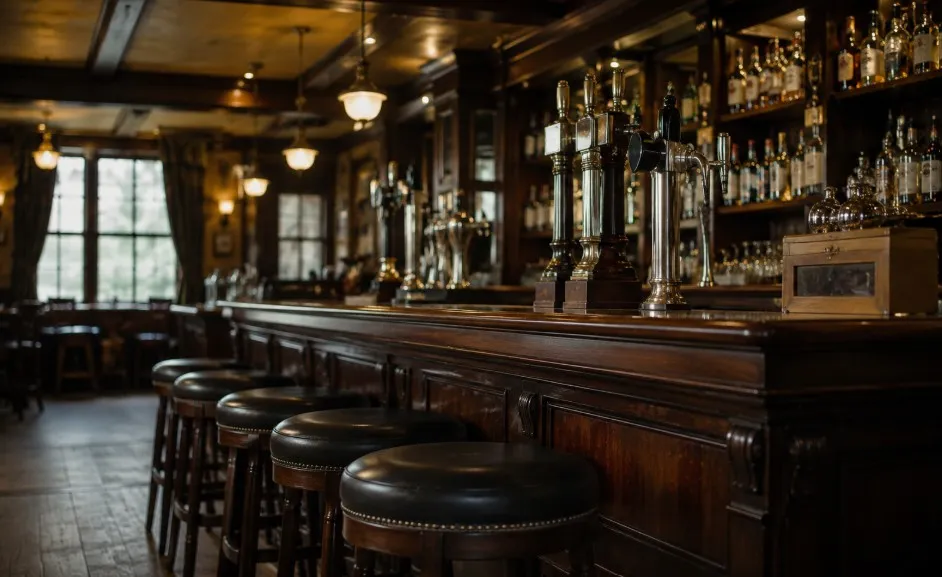

A Scottish pub company linked to The Arthurlie Inn in Barrhead has entered liquidation, adding another local hospitality business to those facing tough trading conditions across the UK licensed trade.
The company at the centre of the case is The Arthurlie Inns Ltd, a private limited company listed as operating public houses and bars.
Companies House records its status as Liquidation, with its insolvency page stating that the creditors’ voluntary liquidation began on 23 June 2026. Readers can verify the company status on the Companies House company record and the liquidation start date on the official insolvency case page.
The case matters beyond one pub. It highlights pressure on independent pubs, local employers and family-run hospitality businesses amid high costs, changing consumer habits and ongoing insolvency risk across Scotland.
Last checked: 7 July 2026
Key highlights:
| Key point | Detail |
| Company | The Arthurlie Inns Ltd |
| Company number | SC402491 |
| Business type | Public houses and bars |
| Location linked to reports | The Arthurlie Inn, Main Street, Barrhead |
| Current status | Liquidation |
| Insolvency type | Creditors’ voluntary liquidation |
| Winding-up commencement | 23 June 2026 |
| Wider relevance | Hospitality cost pressures, local pub closures and small business insolvency |
The confirmed facts come from public records. Wider discussion about cost pressures should be read as business context, not as proof that one single factor caused the liquidation.
What Has Happened in the Scottish Pub Company Liquidation?

The main development is that The Arthurlie Inns Ltd has entered a creditors’ voluntary liquidation. Companies House records one insolvency case for the company and gives the commencement of winding up as 23 June 2026.
A creditors’ voluntary liquidation usually means the company is being wound up because it cannot continue in its existing financial position. A liquidator takes control of the process, reviews the company’s affairs, deals with assets and communicates with creditors.
For readers searching for Scottish pub company liquidation, the important distinction is this: liquidation applies to the limited company, while the physical pub premises may have a separate future depending on property ownership, licensing, sale arrangements and any new operator.
Which Pub Business Is at the Centre of the Liquidation?
The business at the centre of the public-record case is The Arthurlie Inns Ltd, company number SC402491. Companies House shows the company was incorporated on 28 June 2011, has a registered office address in Ayr, and is listed under SIC code 56302 — Public houses and bars.
Media reports identify the trading venue as The Arthurlie Inn on Main Street in Barrhead, East Renfrewshire. The Scottish Sun reported that the pub had been operating since the 1800s and had been under the same family ownership for around three decades. It also reported that the pub had closed after entering liquidation.
That local history explains why the liquidation has attracted attention. A pub closure is not only a balance-sheet story. It can affect regular customers, staff, suppliers, nearby businesses and the wider identity of a town centre.
What Do Public Records Confirm About the Arthurlie Inns Ltd?
Public records provide the strongest basis for reporting this story because they confirm the company’s legal identity, status and formal insolvency position. While media reports provide local background and historical context, official records establish the verified facts surrounding the liquidation.
What Does Companies House Show?
Companies House lists The Arthurlie Inns Ltd as a private limited company with company number SC402491. Its current status is recorded as Liquidation, and its principal business activity is listed as public houses and bars.
The company’s filing history also records an extraordinary resolution to wind up the business dated 23 June 2026, which was officially filed with Companies House on 25 June 2026. These filings form part of the public corporate record available for inspection.
What Does the Insolvency Record Show?
The Companies House insolvency record confirms that the company has one insolvency case registered as a creditors’ voluntary liquidation (CVL). The official record states that the winding-up process commenced on 23 June 2026, marking the formal start of the company’s liquidation proceedings.
Confirmed Public Record Facts
The official records confirm the following:
- Company name: The Arthurlie Inns Ltd.
- Company number: SC402491.
- Current company status: Liquidation.
- Business activity: Public houses and bars.
- Insolvency type: Creditors’ voluntary liquidation.
- Commencement of winding up: 23 June 2026.
These official records confirm the company’s legal and insolvency status but do not explain why the business entered liquidation.
They should not be used to support unsupported claims about blame, financial misconduct or a single cause of the company’s failure without additional verified evidence.
Why Is This Liquidation Significant for Scotland’s Pub Sector?
This liquidation is significant because it reflects broader pressures facing independent hospitality businesses across Scotland. Many pubs operate on tight margins, and even small shifts in trading conditions can have a noticeable impact on financial stability.
Key factors contributing to this significance include:
- High fixed operating costs such as staffing, utilities, rent, insurance and maintenance
- Rising supplier prices that are difficult to pass on fully to customers
- Changing consumer behaviour, including reduced discretionary spending
- Uneven trading patterns, with weaker midweek footfall compared to weekends
For many local pubs, even a modest drop in customer numbers can create serious strain. When revenue fluctuates but costs remain constant, cash flow can quickly become difficult to manage.
Beyond the financial aspect, the local impact is also important. A long-standing pub often plays multiple roles within a community:
- A social hub where residents gather
- A source of local employment
- A venue for events and community activities
- A customer for nearby suppliers and services
When a business like this enters liquidation, the effects extend beyond the company itself, influencing employees, regular customers and the wider local economy.
How Are Hospitality Cost Pressures Affecting Pub Companies?

Hospitality cost pressures can affect pub companies in several connected ways. This does not mean every pub liquidation has the same cause, but it does help explain why small operators can become financially vulnerable.
Common pressure points:
- Higher wage and staffing costs
- Energy and utility bills
- Supplier price increases
- Rent, repairs and insurance
- Business rates and licensing-related costs
- Lower consumer spending
- Reduced weekday trade
- Debt built up from earlier trading disruption
A pub business may look busy on certain nights and still face cash-flow difficulties if margins are thin, debts are overdue or fixed costs remain too high. That is why insolvency risk is often about timing and cash flow, not only popularity.
What Role Do Business Rates and Reliefs Play for Scottish Pubs?
Business rates are one of the fixed costs that can shape the financial position of a hospitality venue. They are not the only pressure, but they matter because they continue even when trading is uneven.
How do non-domestic rates affect pubs?
In Scotland, non-domestic rates are linked to a property’s rateable value, the poundage set for the year and any reliefs available. The Scottish Government says new rates start from 1 April each year after changes are announced in the Scottish Budget.
What relief may licensed hospitality premises receive?
For 2026–27 to 2028–29, mygov.scot says eligible licensed hospitality premises and music venues on the mainland may receive 40% rates relief if the property has a rateable value up to and including £100,000 and is not in specified remote rural areas.
The relief includes pubs, restaurants and nightclubs and is capped at £110,000 per business year. This can be checked through the hospitality rates relief guidance.
Why relief does not remove all trading pressure?
Rates relief may reduce one cost line, but it cannot remove all pressure from wages, rent, utilities, supplier bills, repairs, debt repayment or weak trading periods.
Business owner checklist:
- Check rateable value and eligibility.
- Apply through the relevant local council.
- Review whether relief is already reflected in bills.
- Reforecast cash flow after relief, not before.
- Seek advice early if arrears remain unaffordable.
Rates relief can help, but it is not a substitute for wider cash-flow planning.
How Does This Fit into Scotland’s Wider Insolvency Picture?
The liquidation of one pub company should not be used to claim that the whole sector is collapsing. However, it does sit within an active insolvency environment for Scottish companies.
Official UK Government commentary states that 100 company insolvencies were registered in Scotland in May 2026. These included 51 creditors’ voluntary liquidations, 40 compulsory liquidations, seven administrations and two company voluntary arrangements.
That data shows that CVLs remain a major part of Scotland’s insolvency landscape. For entrepreneurs, the key lesson is that liquidation is often the end stage of a longer financial process.
Problems may build through late supplier payments, tax pressure, weaker margins, falling bookings or delayed restructuring decisions.
The more useful business question is not whether one company failed, but what warning signs other small operators can learn from.
What Happens Next When a Pub Company Enters Liquidation?

Once a company enters liquidation, the focus shifts from ordinary trading to winding up the company’s affairs. The process is formal and creditor-focused.
The Liquidator’s Role
A liquidator will usually review the company’s financial position, gather information, deal with company assets, communicate with creditors and complete statutory reporting requirements. The precise actions depend on the company’s circumstances.
Creditors, Suppliers and Staff
Creditors may need to submit claims and wait for updates from the liquidator. Suppliers should keep invoices, contracts, delivery notes and correspondence. Employees may need to follow official redundancy or unpaid wage processes depending on what they are owed.
Property Sale and Possible Future Use
Media reporting stated that the pub property had been listed for sale and was under offer for £200,000. The Scottish Sun also reported details from the property listing describing the premises as a detached public house with bar areas, cellar and owner’s accommodation.
A property sale does not mean the limited company survives. However, it may leave open the possibility that the premises could be used again, subject to buyer plans, licensing and commercial viability.
What Should Pub Owners and Hospitality Entrepreneurs Learn from This Case?
For entrepreneurs, the wider lesson is the importance of acting before financial pressure becomes unmanageable. Hospitality businesses can deteriorate quickly when fixed costs remain high and footfall weakens.
Practical lessons:
- Review cash flow weekly during difficult trading periods.
- Track supplier arrears before they become formal disputes.
- Revisit opening hours, staffing levels and gross margins.
- Speak to landlords early if rent pressure builds.
- Check business rates relief and local support.
- Take professional advice before creditor pressure escalates.
- Avoid relying only on weekend trade to cover all fixed costs.
The earlier a business owner seeks support, the more options may be available. Waiting until liquidation is unavoidable can reduce choices for directors, staff and creditors.
Conclusion
The liquidation of The Arthurlie Inns Ltd underlines how fragile trading conditions can become for independent pubs when high fixed costs, weaker footfall and wider hospitality pressures combine.
While public records confirm the company’s liquidation, the reasons behind any business failure should be reported carefully and without speculation.
For Scotland’s pub sector, the case is a reminder that early cash-flow monitoring, creditor communication and professional advice are essential when financial pressure begins to build across local hospitality businesses alike today.
Frequently Asked Questions
Is The Arthurlie Inn permanently closed?
Media reports indicate the pub has closed. Whether it reopens depends on factors such as a sale, new ownership, licensing and future investment. Liquidation does not automatically determine the building’s long-term use.
Is voluntary winding-up the same as bankruptcy?
No. Bankruptcy generally applies to individuals, while companies are wound up through liquidation. Companies House records The Arthurlie Inns Ltd as being in a creditors’ voluntary liquidation.
Can customers still use gift vouchers or deposits?
Customers owed money may become creditors in the liquidation process. They should keep proof of purchase and follow any guidance issued by the appointed liquidator.
What happens to employees after a pub business fails?
Employees may be affected by redundancy or unpaid employment entitlements. They should follow information provided by the liquidator and relevant government guidance.
Why can historic pubs struggle despite local support?
Popular pubs can still face financial pressure from rising costs, lower profit margins, debt and changing trading conditions.
Could another operator buy the premises?
Yes. A new owner or tenant could reopen the premises, subject to commercial agreements, licensing requirements and local demand.
Where can official liquidation notices be checked?
Official records can be found through Companies House, The Gazette and, where relevant, Accountant in Bankruptcy records.
Editorial Note:
This article is provided for general business news and information only and should not be treated as legal, financial or insolvency advice. No standalone official statement from the company or appointed liquidator was identified in the public sources reviewed.
Any references to customer messages or social media posts are included as reported local context rather than official insolvency statements. Anyone directly affected as a creditor, employee, landlord or supplier should seek advice from a qualified insolvency professional.
How We Checked?
Information are verified using Companies House records, including the company profile, filing history and insolvency details. Additional context on business rates, insolvency statistics and the reported closure was cross-checked using relevant government guidance and reputable media reports, with official records used as the primary source wherever available.