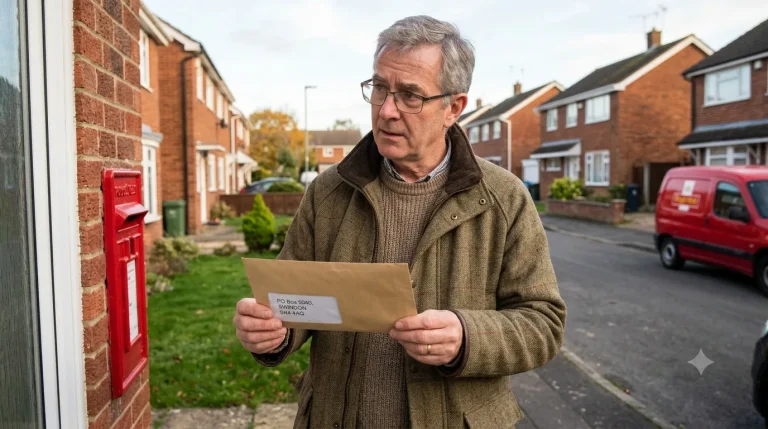
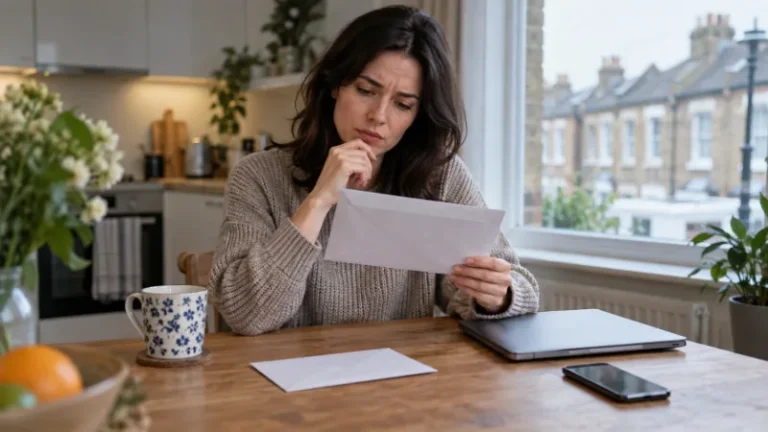
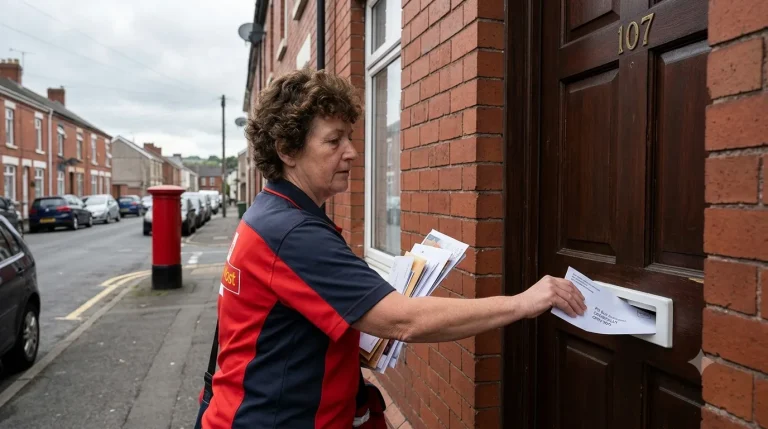
PO Box 12912, Loanhead, EH20 0AE does not, by itself, identify who sent your letter. Online references associate the address with mailing services and debt-related correspondence, but there is insufficient verified evidence to name one organisation as the sender of every letter.
Check the company named inside, verify its contact details independently and confirm any account or payment request before responding.
| Question | What You Need to Know |
| Who sent the letter? | Identify the organisation on the letterhead and in the small print |
| Is it necessarily about debt? | The return address alone does not establish the purpose of the letter |
| Does the address prove it is genuine? | No. A postal address cannot authenticate a payment request |
| Should you pay immediately? | Verify the sender, account and amount first |
| What if it is addressed to someone else? | Follow the appropriate return-to-sender process |
| What if it mentions legal proceedings? | Check its authenticity promptly and obtain advice about any deadline |
Last Updated: 09.09.2026
What Is Known About PO Box 12912 Loanhead EH20 0AE?
The address appears in online discussions and articles about unfamiliar letters, particularly financial correspondence. However, repeated references across websites should not be treated as independent confirmation of who operates the box.
The useful distinction is between an address printed on an envelope and the organisation responsible for the contents.
Which Details Are Confirmed and Which Remain Unverified?
PM Solutions is a mailing business with an official contact address at 24/7 Dryden Road, Bilston Glen Industrial Estate, Loanhead, EH20 9HX. Its website describes direct mail and transactional mailing services.
Some third-party material discussing PO Box 12912 displays matching contact details. This does not establish that the material is authorised by PM Solutions, confirm ownership of the PO Box or identify the sender of your particular letter.
Similarly, a business being based in Loanhead does not prove that it uses this address. Associations with local engineering companies should not be accepted without direct supporting evidence.
| Information | What It Establishes |
| An official business website describing mailing services | The services that business publicly offers |
| A third-party page displaying that business’s contact details | A published association that still needs verification |
| A return address on an envelope | Where undelivered correspondence may be directed |
| A company name inside the letter | An identity to investigate, rather than automatic proof of authenticity |
| Confirmation through an independently verified company contact | Stronger evidence about whether that company issued the letter |
Is the Mailing Company the Same as the Letter’s Sender?
Businesses can outsource printing, envelope preparation and postal distribution. In that arrangement, several organisations may be involved:
- The issuing business: The organisation responsible for the message
- The mailing provider: The company producing or processing the post
- The collection agent: A business instructed to pursue payment, where applicable
A mailing provider does not become your creditor simply because it handled an envelope. Questions about an account should normally go to the verified organisation responsible for that account.
Is PO Box 12912 Loanhead Linked to Debt Collection?
There are online claims connecting this address with debt-related letters. However, these claims do not establish a complete, verified list of debt collectors using the box.
If your letter requests payment, look for the original creditor, the current organisation requesting payment and an explanation of its involvement.
An unfamiliar company name may require further investigation, particularly if you previously dealt with a different business.
Does Every Letter From This Address Concern a Debt?
You cannot determine that from the envelope alone. Equally, receiving correspondence from an unfamiliar address does not establish that you owe money.
Read the document before deciding what action is needed. A payment demand, an account update and a letter addressed to a previous occupant require different responses.
Avoid assuming that every letter is genuine or that every unfamiliar letter is fraudulent.
How Can You Verify Who Sent the Letter?
Start with the contents of your own letter. Online searches can provide context, but reports about someone else’s correspondence may concern a different account or organisation.
Check the Letterhead, Company Details and Account Reference
Look for:
- The full business name, including any trading name
- The original creditor, if payment is being requested
- The account or reference number
- The amount claimed and any explanation of charges
- The company’s contact information
- Any response deadline and the action requested
Compare these details with your existing statements or account records. A recognisable reference can help you investigate, but it should not be your only authenticity check.
Verify Contact Details Through Independent Official Sources
Find the organisation’s official contact details independently. You could use a previous statement, an established account portal or the relevant official register.
For financial businesses, check whether the firm has the appropriate permissions for the activity involved. The FCA’s consumer guidance explains that fraudsters can copy genuine business names and reference numbers.
Call the independently verified number and ask whether the organisation issued the letter. Do not assume that a number printed beside a familiar logo belongs to the genuine company.
Look for Signs of Impersonation or Suspicious Payment Requests
Reasons to investigate further include:
- Payment details that differ from established account information
- Requests for passwords, PINs or one-time security codes
- Pressure to pay before the account is explained
- Website or email addresses that do not match official details
- Refusal to identify the creditor or explain the balance
Polished presentation does not prove authenticity. Avoid using a QR code or payment link until you have verified the request.

What Should You Do After Receiving a Letter?
Keep the envelope and document together. Note when it arrived and any deadline shown, then choose the response that matches your situation.
If You Recognise the Sender and Account
Confirm that the letter and payment instructions are genuine. Check the balance against your records, including recent payments or an existing repayment arrangement.
If the amount is correct but unaffordable, explain your circumstances to the verified creditor and seek free debt advice before agreeing to repayments you cannot maintain.
If You Do Not Recognise the Debt
Contact the verified business in writing and explain what you dispute. This might be the identity of the borrower, the existence of the account or the amount claimed.
Ask for relevant information, such as:
- The original creditor’s name
- Details of the agreement or account
- A breakdown of the outstanding balance
- Relevant payments and charges
- An explanation of the collector’s authority to act
Keep copies of your correspondence. Checking a credit report may provide background, but it should not replace confirmation with the creditor or establish the authenticity of the letter.
If the Letter Is for a Previous Occupant
For an envelope addressed to a former resident at your address, mark it “Not at this address — return to sender” and place it in a postbox.
If it is addressed to you but concerns someone else’s debt, treat that as an identity dispute with the verified business.
These are different situations. Returning a previous occupant’s envelope does not explain an account incorrectly recorded in your name.
If the Letter Mentions Court Action or a Deadline
Check the document promptly. A collector’s warning and documents issued by a court are not interchangeable.
Verify any claimed court involvement through official contact details and seek advice about the response required. Do not assume that contacting the collector pauses a court deadline.
The Loanhead return address alone does not determine which legal procedure applies to your case.
What Are Your Rights When Disputing a Debt?
Your position depends on the debt and the rules governing the business involved. For debts covered by the FCA’s consumer credit rules, there are specific requirements for handling disputes.
Request Evidence of the Debt and the Amount Claimed
Where a customer disputes a debt on valid or potentially valid grounds, the relevant FCA rules require the firm to suspend recovery steps and investigate.
This can include disputes about whether the debt exists, whether the amount is correct or whether the person contacted is the borrower.
The firm should provide information about the debt and the outcome of its investigation.
Challenge Incorrect Personal Details or Mistaken Identity
Where borrower identity or the amount is disputed under those rules, the firm must establish that it is pursuing the correct person or amount.
Explain the error clearly and ask for inaccurate records to be corrected. Share personal information only through a verified channel and only where necessary to resolve the issue.
Seek Advice About Older Debts and Legal Deadlines
An old date on a letter does not automatically establish whether a debt can still be enforced.
The applicable rules depend on factors including jurisdiction, debt type, payments, acknowledgements and previous court proceedings. Obtain advice before making a payment or acknowledging liability if you believe a debt may be too old to enforce.
How Can You Stop Incorrect Letters or Make a Complaint?
The appropriate route depends on whether the problem is incorrect correspondence, the conduct of a genuine business or suspected fraud.
Contact the Verified Sender About Incorrect Correspondence
- Explain the mistake, identify earlier correspondence and ask the business to investigate and correct its records.
- Keep a record of your request and any further letters. If the problem continues, use the organisation’s formal complaints procedure.
- A request to leave a marketing mailing list is not a substitute for resolving an incorrectly attributed debt.
Escalate an Eligible Complaint to the Financial Ombudsman
- For a complaint involving a financial business, complain to the firm first.
- For most complaints, the business has up to eight weeks to respond, although different periods apply to some categories.
- You may be able to refer an eligible complaint to the Financial Ombudsman Service after its final response or once the applicable response period has passed.
- The Ombudsman is not a general reporting service for every suspicious letter.
Report Suspected Fraud Through the Appropriate UK Service
- Report Fraud handles reports of fraud and cybercrime in England, Wales and Northern Ireland. Its guidance directs people who live in Scotland, or where the crime happened there, to Police Scotland on 101.
- If you have already transferred money or disclosed payment details, contact your bank promptly using an independently verified number.
- Preserve the envelope, letter, payment instructions and records of any conversations.
Conclusion
Identifying who sends from PO Box 12912 Loanhead requires more than recognising the return address. Public claims about the box do not reliably identify the organisation behind every letter.
Check the named business, verify its contact details independently and investigate any payment request.
If the debt is unfamiliar, dispute it through the verified organisation. If the document mentions formal proceedings, obtain advice promptly about the deadline.
FAQs
Can the PO Box Alone Identify the Sender?
No. The return address does not reliably establish which organisation issued your particular letter.
Is There a Verified Phone Number for PO Box 12912?
A universal contact number for every letter from this address has not been established here. Use independently verified details for the business named in your correspondence.
Does a Letter From This Address Mean I Owe Money?
No. Liability depends on the account and supporting evidence, not the address printed on the envelope.
Can Royal Mail Tell Me Who Uses the PO Box?
You can ask Royal Mail about its current enquiry process, but do not assume it will disclose customer details. Verify the organisation named inside the letter separately.
Should I Send Money to the Address on the Envelope?
Do not send payment solely because a return address is provided. Confirm the request and payment method with the verified creditor first.
Does Receiving a Debt Letter Affect My Credit Score?
The arrival of a letter does not itself change your credit score. Information reported about an underlying account may affect your credit record.
Which Details Should I Hide Before Sharing a Letter Online?
Hide names, addresses, account numbers, references, signatures, barcodes and QR codes. These details can expose personal or account information.