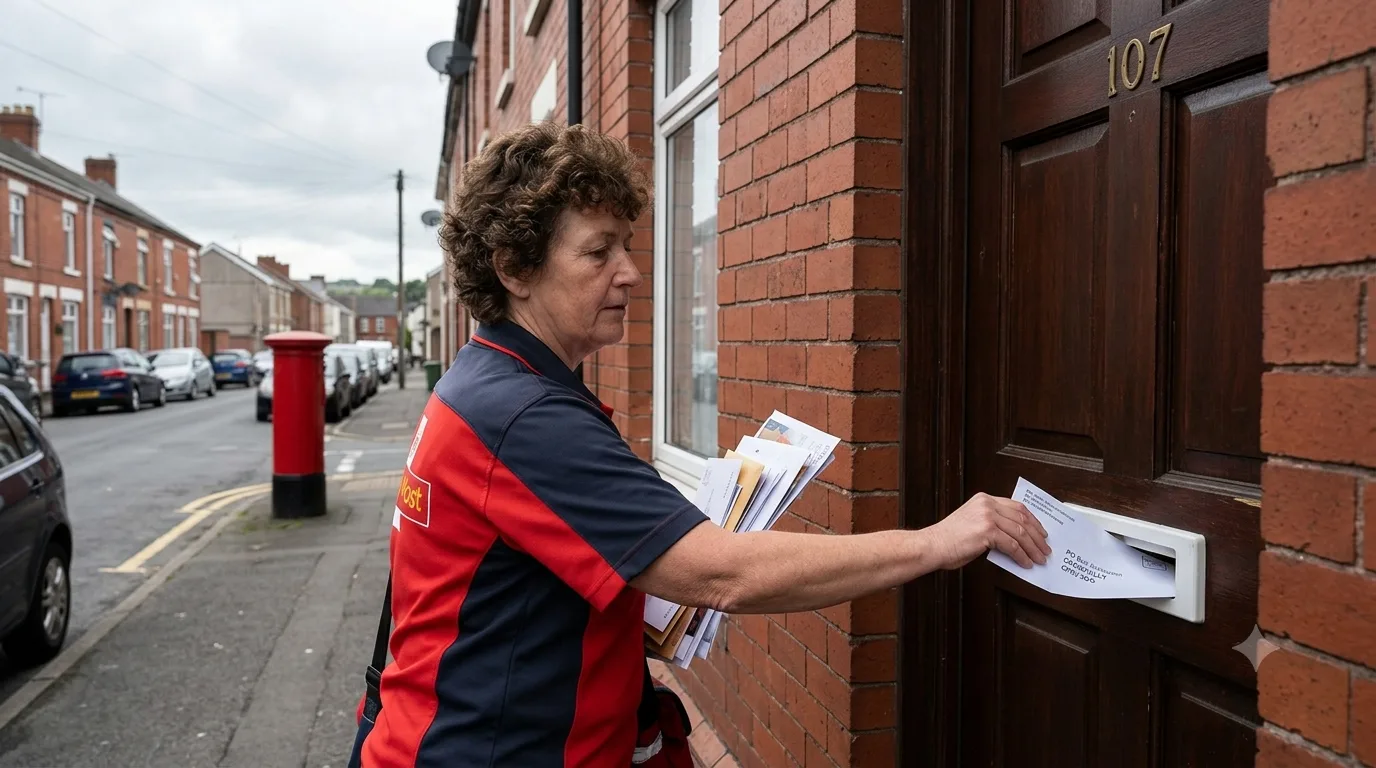

Receiving an unexpected letter from PO Box 107, Caerphilly, CF83 3GG can be concerning, particularly when it refers to an unfamiliar account or outstanding balance.
The address is associated with Link Financial Outsourcing Limited, a company involved in servicing and collecting consumer credit accounts.
A letter from this address may concern a debt transferred by an original lender, an account Link Financial manages for another company, a payment arrangement or an administrative matter.
The letter should be checked carefully before any payment or personal information is provided.
Who Uses PO Box 107 Caerphilly CF83 3GG?
PO Box 107 in Caerphilly is commonly used as a correspondence address by Link Financial Outsourcing Limited.
Link Financial may contact consumers regarding credit cards, personal loans, retail finance, catalogue accounts or other financial agreements.
The company may have acquired an account from its original provider or may be managing the account for another creditor.
Consequently, a person might receive a Link Financial letter despite never knowingly borrowing money directly from Link Financial.
The letter should normally identify the original lender or business connected with the account.
The broader debt collection process in the UK can involve an account being transferred to a specialist company after payments have been missed or the original agreement has defaulted.
Why Might Someone Receive a Letter From This Address?
A letter from PO Box 107 Caerphilly may have been sent for several reasons.
An Account Has Been Transferred
The original creditor may have transferred responsibility for servicing or collecting an account. The letter should explain the name of the previous creditor, the account reference and the amount allegedly outstanding.
Payments Have Been Missed
The correspondence could relate to missed instalments, an expired payment arrangement or a balance that has remained unpaid.
Link Financial Is Requesting Updated Information
A letter may ask the recipient to confirm contact details, discuss affordability or provide an update about an existing repayment plan.
Personal and financial information should only be supplied after the sender and account have been independently verified.
An Account Has Been Linked to the Wrong Person
Mistakes can happen because of a similar name, an outdated address, incorrect information supplied by a creditor or identity fraud. Receiving the letter does not automatically make the recipient responsible for the account.
It Is Administrative Correspondence
Not every letter from this address will demand immediate payment. Some correspondence may concern a complaint, statement, account update or response to an earlier enquiry.
Does the Letter Mean the Debt Is Genuine?
The use of a recognised PO Box does not, by itself, prove that a letter is genuine or that the amount is correct.
Before responding, the recipient should check whether the letter contains:
- The recipient’s correct name and address
- The name of the original creditor
- An identifiable account or agreement reference
- A clear breakdown of the balance
- An explanation of Link Financial’s involvement
- Contact details that can be verified independently
- A reasonable deadline and clear next steps
Unexpected contact from a collection company should be approached in the same careful way as an unfamiliar call.
How Can a Letter From PO Box 107 Be Verified?
Verification should be completed before making a payment, agreeing to a plan or disclosing sensitive information.
Check the Original Account
The recipient should review old statements, credit agreements, emails and bank records to determine whether the account is familiar. The balance and reference should be compared with the information in the letter.
Contact the Original Creditor
If the letter names a bank, lender or retailer, the recipient can use previously verified contact details to ask whether the account was transferred to Link Financial.
A telephone number printed on an unexpected letter should not be treated as independently verified.
Check the Company Details Separately
The company name can be searched independently, and its legal and regulatory details can be compared with those shown on the correspondence.
Differences in spelling, registration information or payment instructions should be treated cautiously.
Request Information in Writing
If the account remains unclear, the recipient can write to the sender requesting:
- The original creditor’s name
- The original account number
- A statement showing how the balance was calculated
- The date the account was transferred
- An explanation of Link Financial’s authority to collect it
- Details of any payments, interest or charges added
Copies of all correspondence should be retained.
What Should Someone Do After Receiving the Letter?
The correct response depends on whether the account is recognised, disputed or unaffordable.
If the Account Is Recognised
The recipient should confirm that the balance is accurate and decide whether it can be paid without affecting essential household expenses.
If full payment is not realistic, a manageable arrangement may be discussed. A repayment proposal should be based on genuine disposable income rather than pressure to agree to an unaffordable amount.
If the Account Is Not Recognised
The account should be disputed in writing. The response should state that the recipient does not recognise the debt and requests further information before any discussion of payment.
The recipient should not guess at previous addresses, security answers or financial details merely to satisfy an unexpected request.
If the Balance Appears Incorrect
A written statement and transaction history should be requested. Any payments already made, refunds, interest or fees that appear to be missing should be identified clearly.
If the Debt Is Old
The age of an account can affect how it may be enforced. Before admitting liability, making a token payment or entering an arrangement, the recipient may wish to obtain independent debt advice.
If the Person Cannot Afford to Pay
Essential expenses such as housing, council tax, utilities, food and necessary travel should be considered before agreeing to repayments.
Borrowing more money to satisfy an immediate collection demand can make the financial position worse. A realistic income-and-expenditure assessment is generally more useful than promising a payment that cannot be maintained.
Can a Debt Collector Visit the Recipient’s Home?
A debt collection company is not automatically a bailiff or enforcement agent.
An ordinary debt collector cannot force entry into a home, take household possessions or pretend to have court enforcement powers.
If a representative visits, the resident can normally communicate through the closed door and request that future contact be made in writing.
This is different from enforcement action following a court process. Any document described as a court claim, judgment, warrant or enforcement notice should therefore be read immediately and handled according to the instructions it contains.
Should a Letter From PO Box 107 Be Ignored?
Ignoring the letter is generally unwise, even if the recipient believes it was sent by mistake.
A short written response can establish that:
- The account is being checked
- The debt is disputed
- Further evidence has been requested
- The recipient needs communication in an accessible format
- The recipient is experiencing financial difficulty
- A repayment proposal is being prepared
How Should a Dispute Be Sent?
A dispute should be clear, factual and concise. It can include:
I do not recognise the account referenced in your letter. Please provide the name of the original creditor, the original account number, a complete statement of the balance and an explanation of your authority to collect it.
Until this information has been supplied, I am unable to confirm liability for the amount claimed.
The recipient should add only the information needed to identify the correspondence, such as the letter reference and postal address. A copy should be retained, along with evidence showing when it was sent.
What If the Letter Is Addressed to Someone Else?
Mail addressed to a previous resident or unknown person should not be opened or used to contact the company as though the recipient were that individual.
The unopened envelope can be marked “Not known at this address” and returned through the postal system.
The current resident should avoid sharing unnecessary personal details about themselves or the former occupant.
If letters continue, the current resident may contact the sender using independently confirmed details and state that the named person does not live at the address.
What If Someone Believes the Letter Is Fraudulent?
Warning signs can include:
- Pressure to pay immediately
- Requests for payment to a personal bank account
- Gift card or cryptocurrency payment demands
- Threats of arrest for an ordinary consumer debt
- Refusal to identify the original creditor
- Poorly matched account details
- Requests for passwords, PINs or full security credentials
- Contact information that differs from independently published records
No payment should be made solely because a letter uses a familiar business name or postal address. Fraudsters can copy genuine company information.
How Can a Complaint Be Made?

If the recipient believes the company has supplied incorrect information, ignored a dispute, communicated unfairly or failed to consider financial difficulty, a formal complaint can be submitted in writing.
The complaint should include:
- The account reference
- A concise timeline
- Copies of relevant letters
- Details of disputed payments or balances
- The outcome being requested
- Any communication or accessibility needs
The company should be allowed to investigate and issue its formal response. If the matter remains unresolved, the response should explain any further escalation route available.
Final Thoughts
PO Box 107, Caerphilly, CF83 3GG is associated with Link Financial Outsourcing Limited and is commonly used for account-servicing and debt-related correspondence.
A letter from this address should not be ignored, but it should not trigger an immediate, unverified payment either. The sensible approach is to confirm the sender, identify the original creditor, check the balance and respond in writing.
If the account is genuine but unaffordable, the recipient should propose only a sustainable repayment amount. If the debt is unfamiliar, inaccurate or potentially fraudulent, it should be disputed before liability is accepted.
FAQs
Who is PO Box 107 Caerphilly CF83 3GG?
The address is commonly associated with Link Financial Outsourcing Limited.
Why is Link Financial contacting someone who has never borrowed from it?
Link Financial may have acquired or been appointed to service an account originally opened with another lender or retailer.
Is a Link Financial letter a court document?
Not usually. However, any separate court claim, judgment or enforcement notice requires prompt attention.
Can PO Box 107 letters be ignored?
No. The recipient should verify the account and respond, even when disputing the debt.
Can Link Financial take possessions?
An ordinary debt collector cannot simply enter a home and remove goods. Court-authorised enforcement is a separate process.
What if the debt belongs to someone else?
The recipient should dispute the account in writing and avoid supplying unnecessary personal information.
Can a repayment plan be requested?
Yes. Any proposed payment should be affordable after essential household expenses have been covered.
Does the PO Box address prove that a letter is genuine?
No. Company names, addresses and branding can be copied, so the sender and payment details should be checked independently.