Opening a Pepe’s Piri Piri franchise in 2026 will typically require a minimum investment of around £300,000, although the final figure can rise depending on the size and location of the restaurant.
In return, you gain access to one of the UK’s fastest-growing chicken brands, with more than 250 stores and some locations reportedly generating over £1 million in annual sales.
Before investing, you need to understand not only the startup cost but also the ongoing expenses, expected profit margins and the type of owner Pepe’s wants to recruit.
Key points to know:
- Minimum investment starts at approximately £300,000
- Prime high-street locations may require £350,000–£450,000+
- Average profit margins are estimated at 6–8%
- High-performing stores can exceed £1 million in annual revenue
- Pepe’s generally looks for hands-on, ambitious franchisees
Who Is Pepe’s Piri Piri and Why Is the Franchise So Popular in the UK?
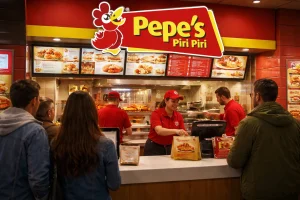
Pepe’s Piri Piri has grown from a regional takeaway brand into one of the UK’s largest flame-grilled chicken chains.
The business is known for its spicy grilled chicken, wraps, burgers and rice boxes, often positioned as a direct competitor to Nando’s. As of 2026, the company operates more than 250 locations across the UK, Ireland and the Middle East.
The popularity of the Pepe’s franchise comes from its strong brand recognition and broad customer appeal.
Its restaurants are particularly successful in busy town centres, near universities and in high-footfall retail areas. Unlike independent takeaways, franchisees benefit from an established menu, proven systems and national marketing support.
An official spokesperson recently stated:
“We are looking for franchisees who are ambitious, commercially minded and passionate about delivering the Pepe’s experience in their local community.”
The combination of strong demand and a recognisable brand is why many entrepreneurs are now researching the Pepe’s franchise cost in the UK.
How Much Does a Pepe’s Piri Piri Franchise Cost in 2026?
The minimum Pepe’s franchise cost in 2026 is approximately £300,000. This figure generally includes the initial franchise agreement, shop fit-out, kitchen equipment, branding and launch support.
However, many investors end up spending more than this, particularly if they choose a large premises or a premium location.
A smaller restaurant in a secondary town centre may remain close to the £300,000 mark. In contrast, a store in London, Manchester or Birmingham can exceed £400,000 because of higher rent, fit-out costs and larger units.
| Cost Area | Estimated Range |
| Franchise fee and licence | £20,000–£35,000 |
| Shop fit-out and refurbishment | £120,000–£180,000 |
| Kitchen equipment | £50,000–£80,000 |
| Furniture, signage and décor | £20,000–£40,000 |
| Initial stock and supplies | £10,000–£15,000 |
| Professional fees and licences | £5,000–£15,000 |
| Working capital reserve | £40,000–£80,000 |
| Estimated Total Investment | £300,000–£450,000+ |
This means the advertised minimum is realistic, but you should still have a financial buffer available in case construction, recruitment or launch costs increase.
What Is Included in the Pepe’s Franchise Investment?
When you invest over £300,000 in a Pepe’s franchise, you are not just paying for a restaurant, you are buying into a complete, ready-to-run business model with brand support and proven systems.
Franchise Rights and Brand Access
A large portion of the Pepe’s franchise cost gives you the right to trade under the Pepe’s Piri Piri name. This includes use of the logo, branding, menu, recipes and operating systems.
You also gain access to the brand’s supplier network and approved product lines. This is important because consistency is one of the main reasons customers trust franchise restaurants.
Restaurant Setup and Equipment
The investment also covers the physical setup of the store. This usually includes the shop fit-out, seating, flooring, counters, signage, commercial grills and kitchen appliances.
Most Pepe’s restaurants follow a standard layout and design, helping customers recognise the brand instantly. The company normally provides guidance on how the restaurant should look and operate.
Training and Ongoing Support
Franchisees receive training before the restaurant opens. This may include operational procedures, food preparation, staffing, customer service and health and safety.
According to franchise materials, Pepe’s also provides continuing support after launch.
“Our role is not just to help you open the store, but to support you through the first weeks and months of trading,” a Pepe’s franchise representative explained.
That level of support can reduce the risk compared with opening an independent takeaway.
What Extra Startup Costs Should You Budget for Beyond the Initial Investment?

Even though the headline Pepe’s franchise cost is around £300,000, there are several extra costs that many new franchisees underestimate.
The first is working capital. Most new restaurants do not become profitable immediately, so you may need enough cash to cover wages, rent and stock during the first three to six months.
You should also budget for:
- recruitment and staff uniforms
- local advertising before launch
- utility deposits
- insurance
- unexpected building work
- legal advice and accountant fees
One common mistake is assuming the restaurant will be busy from day one. In reality, most stores need time to build a loyal customer base.
For example, if your chosen site requires additional ventilation, new flooring or planning permission, the extra cost could easily add £20,000 to £50,000 to the overall budget.
Many banks are willing to lend against food franchise opportunities, especially established brands like Pepe’s. However, lenders often expect you to contribute at least 30–40% of the total investment yourself.
What Are the Ongoing Costs of Running a Pepe’s Piri Piri Franchise?
Once the restaurant opens, you will face ongoing operating expenses every month. These are just as important as the startup costs because they determine your eventual profitability.
The largest ongoing expense is usually staff wages. Labour costs can account for 25–35% of sales in a busy fast-food business. Rent is the next major cost, especially in city centres.
Other monthly expenses include:
- food and packaging
- gas, electricity and water
- business rates
- cleaning and maintenance
- marketing contributions
- franchise royalty fees
- delivery app commissions
| Ongoing Cost | Typical Share of Revenue |
| Staff wages | 25–35% |
| Food and ingredients | 25–30% |
| Rent and business rates | 8–15% |
| Utilities and maintenance | 5–8% |
| Marketing and royalties | 4–8% |
| Estimated Net Profit Margin | 6–8% |
Although the brand does not publicly confirm all royalty rates, most industry sources suggest there are continuing franchise and marketing fees as part of the agreement.
How Much Revenue and Profit Can a Pepe’s Piri Piri Franchise Generate?
Many prospective franchisees focus on revenue because some Pepe’s stores reportedly generate more than £1 million per year. While this is possible in the right location, turnover does not automatically mean strong profits.
A typical Pepe’s restaurant may generate between £10,000 and £15,000 per week in sales, particularly in high-footfall areas.
Over a full year, that can equate to annual revenue of £520,000 to £780,000. Exceptional sites can exceed this figure.
However, after wages, rent, food costs and other expenses are deducted, estimated profit margins usually fall between 6% and 8%.
A Real-World Example from a Current Franchisee
Recently, I spoke with the owner of a Pepe’s franchise in the Midlands who had opened his first store in late 2024. He told me that his initial investment was closer to £340,000 because the site required extra building work.
In his first six months, sales averaged around £11,000 per week. By the end of the first year, weekly turnover had increased to nearly £14,000 after he built partnerships with local delivery platforms and student groups.
He said:
“The first few months were much tougher than I expected, but once the brand became established locally, the business really picked up.”
His experience shows that a Pepe’s franchise can become profitable, but only if you are prepared for a slower start and ongoing hands-on management.
What ROI and Break-Even Period Can You Realistically Expect?

Understanding your potential return is key before investing in a franchise. While returns can vary, most investors aim to recover their initial costs within a reasonable timeframe based on store performance.
Expected Return on Investment
If your store reaches a net profit margin of around 6–8%, you may recover your original investment within three to five years. For example, a restaurant producing £70,000 profit annually would take roughly four to five years to repay a £300,000 investment.
A stronger location with annual profits above £100,000 could shorten that period significantly. On the other hand, a weaker location with lower sales may take much longer to recover the original investment.
Factors That Affect the Payback Period
Several variables influence your return on investment:
- location quality
- size of the restaurant
- rent levels
- food waste
- staff efficiency
- delivery sales versus in-store sales
The amount you spend at the beginning also matters. A store that costs £400,000 to open will naturally take longer to break even than one that costs £300,000.
A poor site can delay profitability for years, while a busy urban location may break even much faster. Because of this, you should be cautious about any revenue projections that appear too optimistic or assume perfect trading conditions.
What Requirements Must You Meet to Open a Pepe’s Franchise?
Pepe’s does not require every franchisee to have restaurant experience, but the company does look for certain personal qualities and management skills.
The business appears to prefer people who are willing to be involved in the day-to-day running of the restaurant rather than simply investing money.
According to franchise recruitment materials, the ideal candidate is:
- experienced in managing people
- comfortable working with numbers
- self-motivated and ambitious
- willing to work long hours
- confident dealing with customers and staff
Is Previous Retail Experience Necessary?
Experience in retail or hospitality is beneficial, although it is not always essential. Many successful franchisees have backgrounds in management, customer service, sales or small business ownership rather than food.
However, if you have never worked in a fast-paced customer-facing business before, you may find the first year more challenging. Running a restaurant requires strong organisation, attention to detail and the ability to solve problems quickly.
What Type of Franchisee Does Pepe’s Prefer?
Pepe’s appears to prefer owner-operators rather than passive investors. In other words, the business is best suited to someone who wants to be involved in recruiting staff, overseeing operations and building local sales.
As one company representative put it:
“We are not simply looking for investors. We want franchisees who can lead a team and build a successful local business.”
That means you should be prepared for a demanding schedule, particularly during the first year when the restaurant is still becoming established.
How Do You Apply for a Pepe’s Piri Piri Franchise in the UK?
The application process usually begins with an enquiry through the company’s franchising page. After this, you may be asked to complete a short application form and discuss your financial position.
If Pepe’s believes you are a suitable candidate, the next stages often include a meeting, a review of potential locations and a discussion about your available capital.
Typical Application Stages:
- Initial enquiry: Contact Pepe’s and share your interest and basic details.
- Financial check: They review your budget and may ask for proof of funds.
- Location approval: Pepe’s checks if your chosen location is suitable.
- Sign agreement: You sign the franchise contract (usually around 10 years).
- Training & setup: You get trained and prepare the store for opening.
- Launch: Your restaurant opens with support from the Pepe’s team.
The entire process can take several months, especially if you still need to secure a premises or arrange finance. In some cases, it may take six to nine months before the restaurant is fully operational.
What Are the Biggest Risks and Challenges of Investing in a Pepe’s Franchise?

Like any restaurant business, investing in a Pepe’s Piri Piri franchise comes with significant risks. The biggest concern is the high upfront investment. Losing £300,000 or more due to a poor location or weak sales can have serious financial consequences.
The fast-food market is highly competitive, with strong alternatives such as independent takeaways and Nando’s. A new store must compete on food quality, pricing, speed and customer service to succeed.
You should also consider ongoing operational challenges, including:
- staffing and employee retention
- rising wages and energy costs
- increasing food prices
These factors can quickly reduce profit margins. Even with a strong brand, success depends on location, demand, cost control and your ability to manage the business effectively.
Is a Pepe’s Piri Piri Franchise Worth the Cost in 2026?
For the right entrepreneur, Pepe’s can be a worthwhile franchise opportunity. The brand has strong recognition, a loyal customer base and a proven model that already works in many parts of the UK.
However, the Pepe’s franchise cost is not small. You should expect to invest at least £300,000 and potentially much more if you choose a premium site. You also need to be realistic about how long it may take to earn that money back.
If you are prepared to manage the restaurant closely, have sufficient financial reserves and choose the right location, a Pepe’s Piri Piri franchise could offer solid long-term returns.
Before signing any agreement, it is still wise to request the latest prospectus and speak directly with existing franchisees.
Conclusion
Pepe’s Piri Piri offers a recognised brand, proven systems and strong revenue potential, but opening a franchise requires a significant investment of at least £300,000.
Your success will depend on choosing the right location, managing costs carefully and being actively involved in the business.
While some stores can generate more than £1 million in annual sales, profit margins are usually far lower.
Before investing, you should review the latest Pepe’s prospectus, speak with current franchisees and make sure you have enough capital to support the business.
FAQs About Pepe’s Piri Piri Franchise Cost 2026
Is £300,000 enough to open a Pepe’s franchise?
£300,000 is usually the minimum amount required, but many locations cost more. You should ideally have extra funds available for working capital and unexpected expenses.
Does the Pepe’s franchise cost include equipment and fit-out?
Yes. The typical investment usually includes the kitchen equipment, shop fit-out, branding and initial setup costs.
Can you open a Pepe’s franchise without restaurant experience?
Yes. Pepe’s states that retail or management experience is beneficial but not essential. Strong leadership and business skills are often more important.
How long does it take to open a Pepe’s franchise?
The process can take between three and nine months, depending on how quickly you secure a site and complete the fit-out.
What profit margin does a Pepe’s franchise usually make?
Industry estimates suggest a net profit margin of around 6–8%, although this varies by location and operating costs.
Are Pepe’s franchise earnings guaranteed?
No. Revenue and profits depend heavily on your location, management and local demand. No franchise can guarantee financial success.
What should you ask before signing a franchise agreement?
You should ask about the full cost breakdown, ongoing fees, expected sales, average profit margins, contract length and the level of support available.