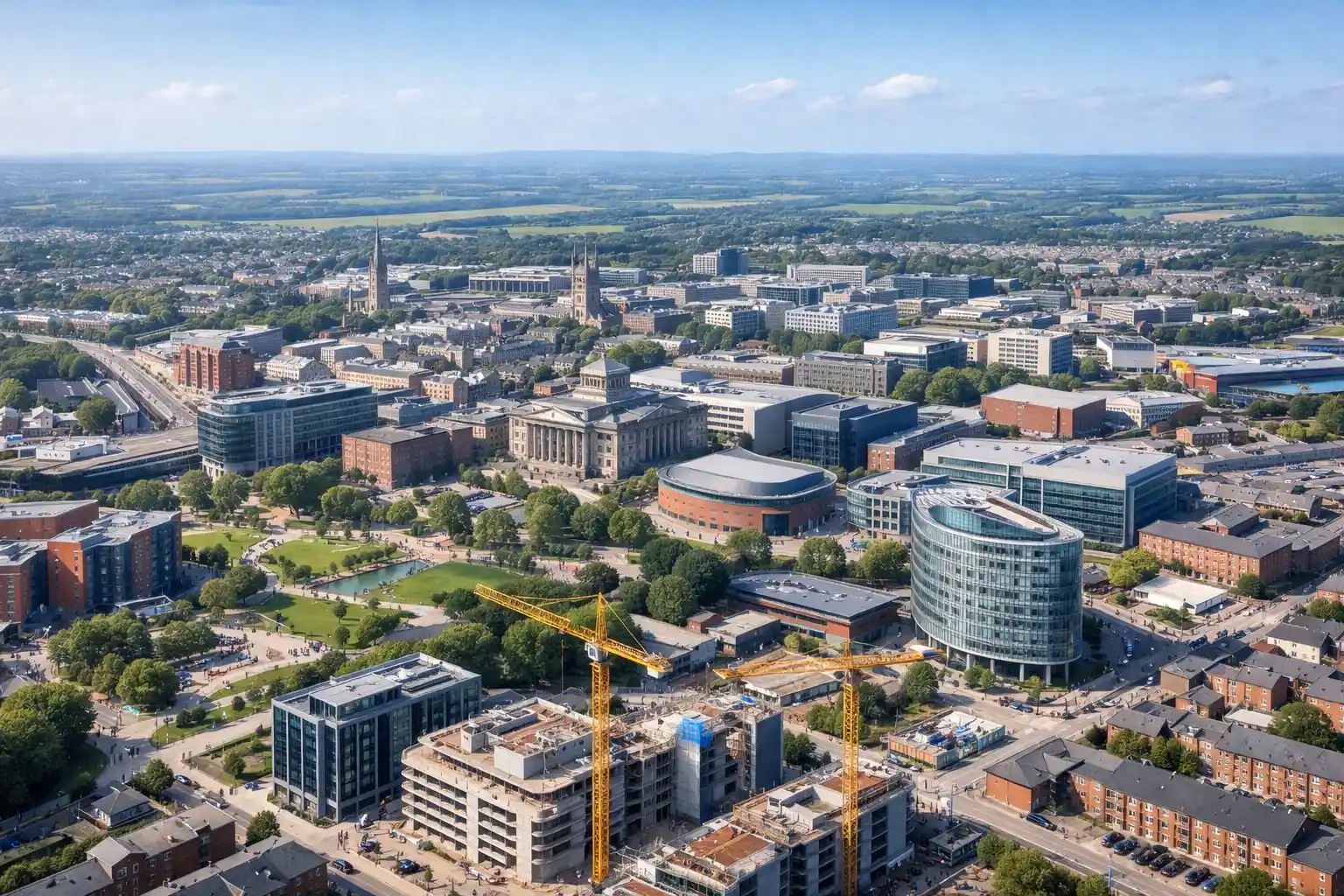

Preston, historically an industrial powerhouse, is now carving a new role for itself in the North-West of England’s growth landscape. As Manchester and Liverpool dominate regional narratives, Preston is quietly and strategically building momentum in areas such as regeneration, education, infrastructure, and innovation. But where exactly does it stand when we compare its progress to its North-West neighbours?
Let’s explore Preston’s position through the lens of economic trends, investment projects, quality of life, business ecosystem, and future potential, all while identifying how it stacks up against the broader regional picture.
What Role Does Preston Play in the North-West Economy Today?
While it may not yet rival Manchester in global clout or Liverpool in cultural capital, Preston’s economic evolution is gaining serious recognition. Once known primarily for its manufacturing past, the city has embraced a diversified growth strategy, supported by both public and private investment.
The Preston Model, a community wealth-building strategy, has drawn national attention. By encouraging public institutions to procure locally and keep wealth circulating within the area, it has helped shift the conversation around inclusive economic growth.
Economic Snapshot: Preston vs. Regional Cities
| Indicator | Preston | Manchester | Liverpool |
| GVA Growth (last 5 years) | +12.4% | +17.6% | +14.3% |
| Population (2025 est.) | 145,000 | 580,000 | 500,000 |
| Employment Rate (2025) | 74.1% | 76.3% | 72.5% |
| Average House Price (2025) | £189,000 | £279,000 | £225,000 |
| New Business Startups (2024) | 780 | 5,100 | 3,200 |
While Preston’s GVA and employment rate slightly trail Manchester, its affordability, especially in housing, and strong start-up base for its size, speak to a balanced growth trajectory.
How Are Infrastructure and Regeneration Projects Shaping Preston?
Preston has become a hub of regeneration activity in recent years. Projects such as the Harris Quarter Towns Fund initiative and the Preston Station Quarter scheme are transforming central spaces into thriving mixed-use areas.
Moreover, the Preston Western Distributor Road, opened in 2023, has improved access from the M55 and M6 motorways to the west of the city, alleviating congestion and opening up opportunities for residential and commercial development.
Key Regeneration Projects
- Harris Quarter – £200M investment including leisure, culture, and commercial offerings
- UCLan Masterplan – Over £200M in campus expansion and public realm improvements
- Preston Station Quarter – A transformative plan aiming to link the station with new business, hotel, and retail developments
These projects aren’t just physical; they’re part of a deliberate plan to make Preston a more attractive place to live, study, and work.
Is Preston Becoming a Stronger Higher Education and Skills Hub?

Preston’s educational ecosystem is anchored by the University of Central Lancashire (UCLan), one of the UK’s largest universities in terms of student population. UCLan’s multi-million-pound campus investment has brought world-class facilities and new energy into the heart of the city.
Education, Skills, and Innovation
- UCLan Engineering Innovation Centre (EIC) is a cutting-edge research and skills hub supporting aerospace, advanced manufacturing, and energy sectors.
- Collaborations between UCLan, local employers, and regional authorities are boosting Preston’s credentials as a knowledge economy player.
This focus on STEM, combined with increased apprenticeship opportunities and technical training, positions Preston as a skills pipeline for industries across Lancashire and beyond.
How Does Preston Compare in Business Growth and Investment Potential?
Preston’s business ecosystem is benefiting from a growing reputation for stability, affordability, and access to talent. The city supports a variety of sectors from digital and creative to professional services, logistics, and advanced manufacturing.
Its strategic location, close to the M6 corridor and within an hour’s reach of both Manchester and Liverpool, offers businesses a blend of connectivity and cost-efficiency.
Business Environment Overview
| Business Factor | Preston | Commentary |
| Office Space Costs (per sq. ft) | £14–£18 | Lower than regional average |
| Broadband and Digital Infrastructure | CityFibre rollout active | Strong connectivity improvements |
| Business Rates Incentives | Available in EZ zones | Encouraging relocation & growth |
| Local Supply Chain Depth | High (manufacturing) | Supportive of SME ecosystem |
Investors looking for a less saturated but high-potential environment are increasingly seeing Preston as a safe bet.
What Quality of Life Does Preston Offer to Residents?
Compared to many urban centres, Preston offers a high quality of life, particularly for families and young professionals. The combination of accessible green space, walkable city layout, good schools, and lower-than-average cost of living makes it a popular choice for people relocating from Manchester or southern England.
The nearby Ribble Valley, Forest of Bowland, and Lake District also contribute to the region’s natural appeal.
Advantages of Living in Preston
- Short commute times within the city
- Strong public transport network including rail links to London and Glasgow
- Competitive housing market for both renters and buyers
- Range of cultural and sporting activities, including the Harris Museum, Guild Hall, and Preston North End FC
These benefits are increasingly being documented on platforms like prestonblog.co.uk, a resource that covers local business, community stories, and the city’s evolving identity.
What Are the Challenges and Limitations Facing Preston?
Despite strong progress, Preston still faces a few critical challenges that could slow its upward momentum if left unaddressed:
- Public Perception: Preston often lacks the national profile enjoyed by Manchester or Liverpool, which affects talent retention and tourism.
- Youth Migration: Graduates from UCLan often move elsewhere due to perceived limitations in job prospects locally.
- Transport Bottlenecks: While the Western Distributor is a major win, intra-city transport and cycling infrastructure still require significant upgrades.
Areas Needing Improvement
Employment Diversity
Although growth is stable, there is a need to diversify beyond traditional sectors and expand support for digital, green energy, and fintech industries.
Night-Time Economy
Preston’s night-time economy is still underdeveloped compared to other cities. Encouraging more independent venues and safe public spaces at night could increase cultural appeal.
What Is the Outlook for Preston Over the Next Decade?
The city’s trajectory suggests that it is on the cusp of a new era. As national government attention shifts toward “levelling up” overlooked towns and cities, Preston’s progress may accelerate further.
UCLan’s continued expansion, the success of the Preston Model, and targeted infrastructure investments will all help lay the foundation for sustainable and inclusive growth.
Future Projections for Preston (2030 Outlook)
| Growth Indicator | 2025 (Current) | 2030 (Projected) |
| Population | ~145,000 | 160,000+ |
| GVA Contribution (Est.) | £3.2B | £4.1B |
| House Price Average | £189,000 | £225,000 |
| Digital Startups (Annually) | ~300 | 600+ |
| Transport Upgrades Completion | Partial | Fully Integrated |
This projection shows not only organic growth but a strategic transformation that aligns with wider North-West goals.
Final Thoughts: Can Preston Be a North-West Powerhouse?
Preston may not be the largest or the loudest city in the North-West, but it’s quietly building a robust, inclusive, and sustainable economic model. Its mix of affordability, education-driven innovation, and long-term planning makes it a standout example of regional regeneration done right.
The journey ahead depends on how well Preston can capitalise on its infrastructure, retain its talent, and build a strong civic identity. But if current trends continue, the city could soon be recognised as not just a supporting actor, but a lead player in the future of the North-West.