
In January 2026, The Original Factory Shop (TOFS) officially entered administration, confirming growing fears over the retailer’s viability amid a worsening UK high street crisis.
Owned by investment firm Modella Capital, the 140-store chain has become the latest casualty of an unforgiving trading climate, placing around 1,200 jobs at risk. This follows a series of failed rescue attempts and continued financial losses that rendered operations unsustainable.
Key facts at a glance:
- TOFS entered administration in January 2026
- 1,200 jobs and 140 stores impacted
- Parent company Modella also placed Claire’s into administration
- The move follows weak sales, poor Christmas trading, and rising costs
Let’s explore the factors that led to this decision, the implications for employees and customers, and what it means for the UK retail landscape.
What Led to The Original Factory Shop Entering Administration in 2026?
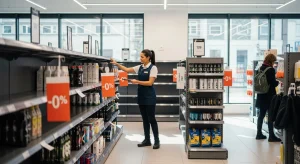
The collapse of The Original Factory Shop was not sudden but rather the culmination of several financial, operational, and market-driven setbacks. Modella Capital, which acquired the discount retail chain in early 2025, attributed the decision to an unsustainable trading environment and mounting pressures, both internal and external.
TOFS had already been grappling with challenges, including:
- A £5.6 million pre-tax loss in the financial year ending March 2024
- A 1% year-on-year sales decline, despite widespread inflation
- Reduced in-store footfall during the critical Christmas trading period
- Rising overheads and restructuring costs
A significant issue was the underperformance during the festive season, traditionally a lifeline for high street retailers. Reports indicated an “alarming drop-off” in pre-Christmas footfall, leaving Modella with few viable options beyond administration.
“Neither business has a realistic possibility of trading profitably again,” Modella stated, highlighting the gravity of the situation.
Who Is Modella Capital, and Why Did They Acquire The Original Factory Shop?
Modella Capital is a UK-based private equity firm that has rapidly expanded its presence on the high street over the past two years. The group acquired TOFS in early 2025, shortly after purchasing other notable chains such as WH Smith’s high street division (now TG Jones) and Hobbycraft.
| Retail Chain | Acquisition Year | Current Status |
| The Original Factory Shop | 2025 | In administration |
| Claire’s Accessories | 2025 (UK & Ireland arm) | In administration |
| Hobbycraft | 2024 | Ongoing restructuring |
| WH Smith (High Street) | 2024 | Rebranded to TG Jones |
Modella’s aim appeared to be centred on revitalising struggling but recognisable retail brands. However, its strategy faced obstacles almost immediately, with both TOFS and Claire’s proving more fragile than expected.
The firm admitted that legacy financial issues and market volatility had left these businesses highly vulnerable, even before acquisition.
“This has been a very tough decision… but the economic environment has made survival untenable,” a spokesperson from Modella said.
How Many Stores and Employees Are Affected by The Collapse?
TOFS operated 140 retail locations across the UK, employing approximately 1,220 people. The administration also affects Claire’s UK and Ireland operations, adding another 1,355 jobs at risk. Together, these closures threaten over 2,500 positions nationwide.
| Retailer | Stores | Employees Affected |
| The Original Factory Shop | 140 | 1,220 |
| Claire’s Accessories | 154 | 1,355 |
| Total | 294 | 2,575 |
The collapse is also likely to impact regional suppliers, local landlords, and logistics providers, especially in areas where TOFS stores formed part of community retail hubs.
What Financial Struggles Did The Original Factory Shop Face Before Administration?

TOFS had long been operating under tight margins. The company’s £5.6 million loss in the 2023–24 financial year signalled deeper structural issues. Despite some attempts to consolidate operations, such as moving its head office from Burnley to Bolton and negotiating rent reductions, it failed to reverse declining revenue trends.
Key financial setbacks included:
- Sales dropped to £117.5 million in FY 2023–24
- Increased operational costs due to inflation and wage growth
- Ongoing impacts from reduced consumer spending in discretionary categories
While restructuring efforts were made, they were insufficient to prevent collapse.
Sales Performance vs Inflation
Despite high inflation in 2023 and early 2024, TOFS experienced only a marginal sales dip of 1%. However, this decline, coupled with rising input costs, proved disastrous. The gap between revenue and operational expenditure grew unsustainably.
Structural Challenges Post-Acquisition
After being acquired by Modella, TOFS underwent aggressive restructuring, including property portfolio optimisation and staffing changes. However, these efforts failed to address the core issue: low profitability.
How Does the Administration Process Work for UK Retailers?
When a business enters administration in the UK, an insolvency practitioner (IP) is appointed to take control of the company and protect it from legal action by creditors. The goal is to maximise the returns for creditors while exploring options such as business sales or restructuring.
Key Stages of Administration
| Stage | Description |
| Filing Notice of Intent | Company informs court of intention to appoint an administrator |
| Appointment of Administrator | A firm like Interpath is formally appointed to manage the process |
| Assessment & Review | Administrator evaluates business value, assets, and liabilities |
| Potential Sale or Closure | Whole or part of the business may be sold or shut down |
| Reporting to Creditors | Formal communication is made to secured and unsecured creditors |
TOFS is currently under 10-day creditor protection, allowing administrators to negotiate with potential buyers and creditors without legal interference.
What Impact Has Government Policy Had on The Original Factory Shop’s Demise?

Modella directly linked TOFS’s collapse to adverse government fiscal policies, highlighting increased operational costs resulting from:
- Minimum wage hikes
- National Insurance contribution rises
- Higher commercial taxes
These policy changes, introduced across two consecutive Budgets, significantly impacted labour-intensive businesses like TOFS, already strained by high inflation and rent commitments.
“A combination of weak consumer confidence, highly adverse fiscal policies, and cost inflation is causing many established and much-loved businesses to suffer badly,” Modella noted.
The cost of doing business has grown significantly for UK retailers, particularly those reliant on physical locations. Even smaller independent stores have raised concerns, with some reporting up to £22,000 in annual additional expenses due to policy shifts.
The BBC News report on UK retail fiscal challenges offers a closer look at how recent government policies have increased operational pressures for high street businesses.
What Can Shoppers and Employees Expect Now That Administration Has Begun?
This stage of administration brings uncertainty for both customers and staff. While some stores may continue trading temporarily, others may begin closing within weeks.
Shoppers Should Expect
- Limited or paused acceptance of gift cards
- Restrictions on returns and refunds
- Discounts as stock is cleared
- Possible closure of local branches
Employees Should Expect
- Communication from administrators regarding redundancy consultations
- Potential transfer of contracts if assets are sold
- Delayed or partial payments of outstanding wages and holiday pay
A number of administrators in the past have successfully transferred store ownership or safeguarded jobs, but such outcomes remain uncertain in TOFS’s case.
What Does This Mean for the Future of the UK High Street Retail Sector?
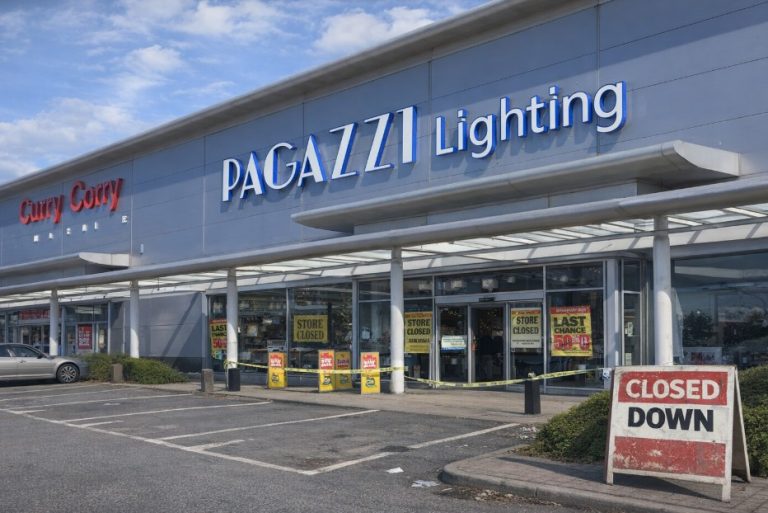
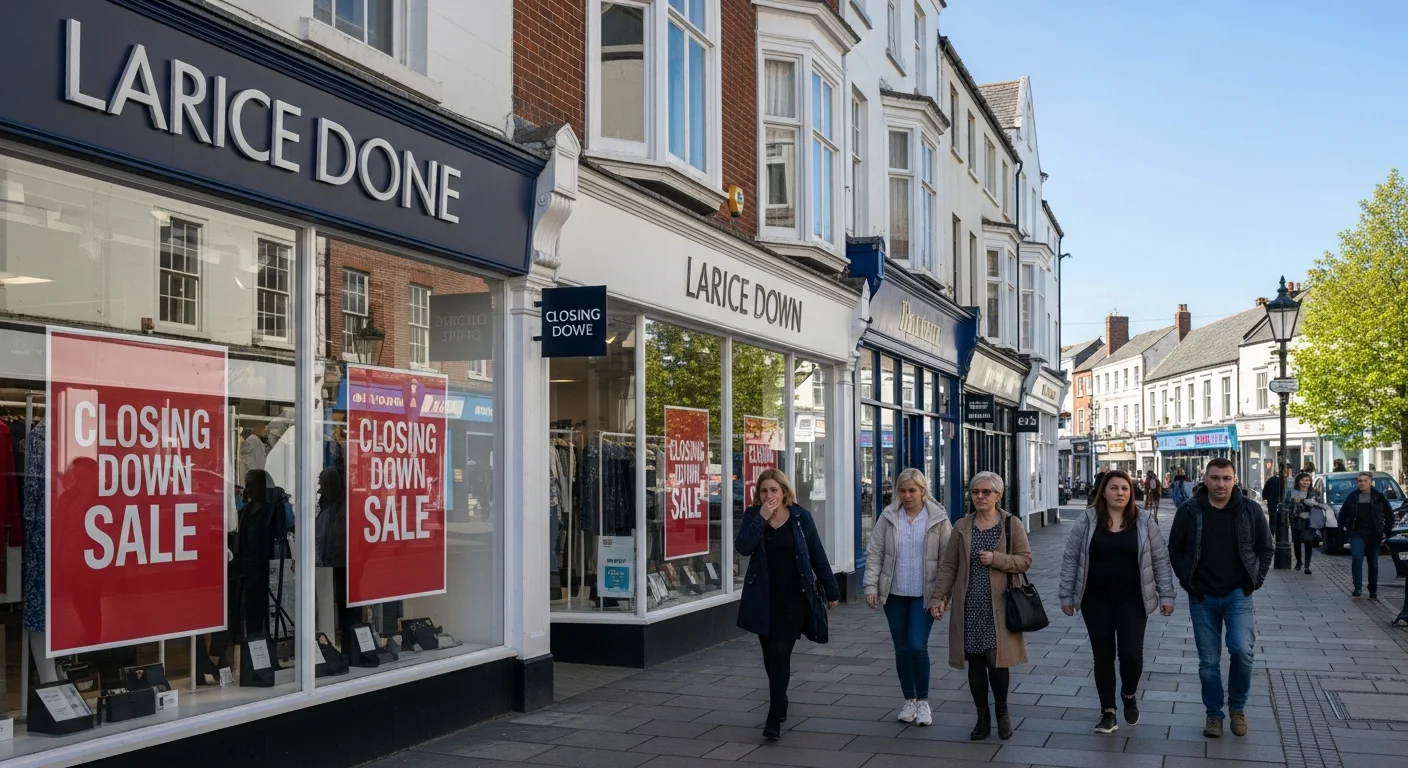
TOFS’s collapse is part of a wider narrative: the continued erosion of the UK’s traditional high street. Once bustling centres of retail and community interaction, many town centres are now characterised by empty storefronts and reduced footfall.
Key Factors Behind the High Street Decline:
- Shift to e-commerce
- Rising operational overheads
- Decline in consumer spending power
- Lack of government support for physical retailers
| Year | Number of Retail Administrations | Major Brands Lost |
| 2023 | 48 | Wilko, Paperchase |
| 2024 | 52 | M&Co, Sofa Workshop |
| 2025 | 60+ | LK Bennett, The Works |
| 2026 (YTD) | 10+ | TOFS, Claire’s |
Despite challenges, some high street brands like Next and M&S have adapted by investing in hybrid models, combining physical presence with strong e-commerce platforms.
Could The Original Factory Shop Be Saved or Bought?
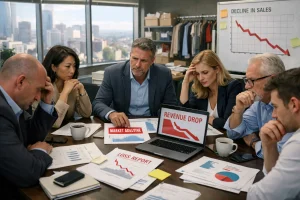
Although Modella Capital has stated there is no realistic route to full profitability, administration does not automatically mean the end of TOFS. Administrators may still explore opportunities to sell parts of the business or individual assets during the initial protection period from creditor action.
Possible outcomes include the sale of selected stores to another discount retailer, the disposal of remaining stock, or the transfer of store leases to interested buyers. If no viable offers emerge, full liquidation remains a possibility.
Historically, some UK retailers have re-emerged in smaller or restructured formats. Whether TOFS can follow a similar path will depend on buyer interest and how the administration process unfolds.
What Can Other Retailers Learn from This Administration?
The TOFS collapse offers critical lessons for other mid-tier retailers operating in today’s volatile environment:
- Resilience planning is essential: sudden market changes can destabilise even long-standing brands.
- Diversifying revenue channels, such as investing in online platforms, can reduce dependency on foot traffic.
- Cost optimisation is no longer optional: property costs, payroll, and logistics must be managed proactively.
Retailers that fail to modernise or anticipate changing consumer habits may find themselves facing similar outcomes.
Conclusion
The administration of The Original Factory Shop marks another significant blow to the UK’s high street, highlighting the immense pressure retailers face from shifting consumer behaviour, economic instability, and rising operational costs.
While Modella Capital’s efforts to save the chain proved unsuccessful, the outcome reflects broader industry challenges that continue to reshape the retail landscape.
Whether TOFS can be revived or parts of it salvaged remains uncertain, but the need for adaptation in retail has never been clearer. Stay updated with us to follow the latest developments and business news shaping the UK retail sector.
Frequently Asked Questions
What happens to gift cards and returns when a retailer enters administration?
Gift cards are often paused or restricted. Returns are usually limited and depend on the administrator’s approval.
Are there any legal protections for employees during retail administration?
Yes. Employees can claim redundancy pay, unpaid wages, and holiday pay, often via the government if the company cannot pay.
How does a retail administration differ from liquidation in the UK?
Administration aims to rescue or restructure the business. Liquidation closes the business and sells assets permanently.
Which other UK high street retailers have recently entered administration?
Retailers such as Wilko, M&Co, LK Bennett, and Paperchase have entered administration in recent years.
Can The Original Factory Shop recover or reopen after administration?
Possibly. Recovery depends on finding a buyer or restructuring viable parts of The Original Factory Shop.
What signs typically indicate a retailer is struggling before going into administration?
Store closures, falling sales, delayed supplier payments, staff cuts, and restructuring announcements.
How are administrators like Interpath or Kroll chosen and what is their role?
Firms such as Interpath or Kroll are appointed to protect assets, manage creditors, and explore rescue or sale options.