
In the often unpredictable world of hospitality, even the most celebrated names can face devastating outcomes. In early 2024, the UK restaurant scene was rocked by the unexpected closure of Greens, a vegetarian restaurant chain co-founded by TV chef Simon Rimmer.
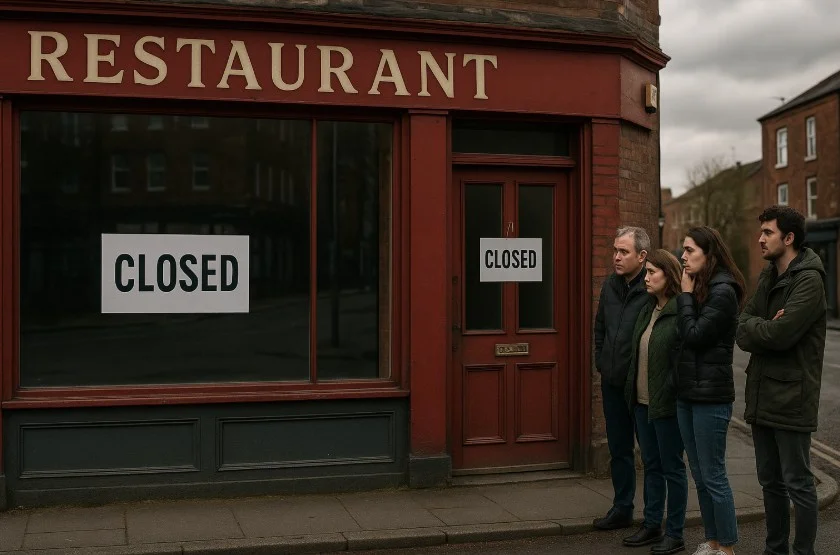
After more than three decades of acclaim and loyal patronage, both Greens locations in Greater Manchester were shut down within a matter of months.
This article delves into the full story behind the Simon Rimmer restaurant collapse. From its remarkable beginnings to the financial downfall, we explore the timeline, economic pressures, public response, and broader implications for the UK hospitality industry.
What Was the Origin and Rise of Greens Restaurant Chain?
Greens opened its doors in 1990 in the lively suburb of Didsbury, Manchester, founded by Simon Rimmer and his business partner Simon Connolly.
At a time when vegetarian dining was far from mainstream, the restaurant introduced an innovative, plant-based menu that stood out in the UK’s evolving food scene.
Greens quickly gained recognition for its creative approach and commitment to sustainable cooking, earning a place in The Good Food Guide and praise from national publications. Over the years, it became a cornerstone of Manchester’s culinary identity.
In 2022, after decades of success, Greens expanded with a second location in Sale. While the move was intended to broaden its reach, it ultimately introduced new challenges that would significantly impact the restaurant’s future.
When and Why Did Simon Rimmer’s Restaurants Close?

The unraveling of the Greens brand began subtly but ended with sudden impact. In January 2024, the original Didsbury branch closed without significant public warning. Just eight months later, in September, the Sale location also shut down.
These back-to-back closures surprised both loyal customers and the wider hospitality industry, particularly given Greens’ strong reputation and decades of acclaim.
The closures were driven by several financial and operational challenges:
- A sharp 35% rent increase at the Didsbury site, which made continued operations unviable.
- Escalating energy bills and utilities, hitting already narrow profit margins.
- Rising ingredient costs and staff wages post-COVID.
- Lower consumer spending linked to the UK’s cost-of-living crisis.
The newly opened Sale branch, though full of promise, failed to meet revenue expectations. Together, these factors created mounting financial pressure that Greens simply could not overcome.
How Did the Collapse Impact Simon Rimmer’s Business and Staff?
The collapse of Greens represented more than just a business failure for Simon Rimmer, it was a deeply personal and emotional moment. Known for his role on Sunday Brunch and his appearance on Strictly Come Dancing, Rimmer expressed heartfelt gratitude and sorrow in a video following the Didsbury closure.
Calling the situation “heartbreaking,” he described Greens as the “cornerstone” of his life. He cited a 35% rent increase and soaring operational costs as key reasons for the closure. The shutdown resulted in significant job losses, impacting long-standing employees across both locations.
Additionally, suppliers were left with unpaid invoices, and many customers were disappointed and financially affected, particularly those with unredeemed gift vouchers, highlighting the broader human toll of the closure.
Who Were the Creditors and How Much Was Owed?

The financial collapse of Greens was significant in scale, leaving behind a sizeable trail of unpaid debts. Documents filed with Companies House by Begbies Traynor, the appointed administrator, revealed that the company owed over £582,000 to various creditors. Here is a breakdown of the debt structure:
Creditor Breakdown:
| Creditor Type | Description | Amount Owed |
| HMRC | VAT and PAYE taxes | £458,873 |
| Trade Creditors | Suppliers and service providers | £75,000 |
| Consumer Creditors | Gift card and voucher holders | £35,790 |
| Royal Bank of Scotland | Business loan | £13,164 |
| Total Estimated Debt | £582,827 |
The largest debt was to HMRC, amounting to nearly half a million pounds in unpaid taxes. Trade creditors and service providers were owed significant amounts, and customers with prepaid vouchers found themselves unlikely to be refunded.
According to the administrator, due to the limited value of the restaurant’s remaining assets, most of these debts are expected to go unpaid.
Eventually, the business assets were sold to The Bubble Room Sale Limited, an unrelated company, for £50,000. This modest sale value reflects the diminished commercial viability of the venture at the time of collapse.
Could Simon Rimmer Have Prevented the Collapse?
The question of whether Greens’ downfall was avoidable is a natural one. In reality, several overlapping factors made survival extraordinarily difficult, though not necessarily impossible.
External Pressures
From an economic standpoint, the restaurant operated during one of the most turbulent periods in recent UK hospitality history. Following the COVID-19 pandemic, the industry saw widespread disruption to dining habits, labour shortages, and increased dependency on takeaway models. As inflation soared, operational costs quickly outpaced revenue growth.
The rent increase alone would have been challenging to manage, but paired with other rising expenses, it created a cost base that became unmanageable.
Business Decisions
Critics might point to the 2022 expansion to Sale as a high-risk move. The second location opened during the recovery phase from the pandemic, and expectations for its success were reportedly overambitious.
Internal documents later suggested that the business struggled to align its cost base with the lower-than-expected turnover at the new site.
Had the business chosen to consolidate rather than expand, or secured external investment to buffer operational losses, the outcome might have been different. However, such decisions are often clearer in hindsight than they are in real-time.
What Was the Public Reaction to the Closure of Simon Rimmer’s Restaurant?
The emotional toll of the closure extended far beyond the business’s walls. Customers took to social media to express grief, frustration, and nostalgia.
Facebook, in particular, became a hub of heartfelt messages, many referring to Greens as their favourite restaurant or the backdrop to personal celebrations and milestones.
“So sad to read this, one of our Sale favourites.”
“Oh god, this is so sad, my absolute favourite restaurant of all time.”
“We have loved 12 years of eating at Greens. Definitely the end of an era.”
These comments revealed that Greens had become more than just a dining destination. It was a community fixture, a symbol of local culinary pride, and a source of food innovation for vegetarian and vegan diners.
For the Manchester food scene, the closure marked the loss of an institution that had shaped the city’s approach to plant-based dining for more than three decades.
What Does the Collapse Reveal About the UK Hospitality Sector?
The story of Greens reflects a broader trend in the UK hospitality industry. Since the pandemic, restaurants across the country have grappled with operational instability. Even well-known establishments with loyal followings are finding it difficult to stay afloat.
Rising costs in rent, energy, and ingredients, coupled with changing consumer behaviours and reduced spending, have created a precarious environment. Labour shortages and the challenge of retaining experienced staff add further stress to businesses already stretched thin.
The closure of Greens, with all its legacy and media visibility, underscores a critical truth: no restaurant is immune, not even those backed by celebrity chefs.
What’s Next for Simon Rimmer After the Collapse?
Despite the end of Greens, Simon Rimmer remains a prominent figure in the UK’s culinary and media landscape. His regular role as a presenter on Sunday Brunch ensures continued public engagement, and his reputation as a food innovator remains intact.
Industry watchers have speculated on his next moves, which may include:
Future Possibilities for Simon Rimmer:
| Path | Description |
| Media and TV Projects | Continued hosting, possible development of new food-focused shows |
| Publishing and Digital Media | New cookbooks, online food content, and cooking tutorials |
| Brand Collaborations | Partnering with retailers, endorsements, or product lines |
| New Restaurant Ventures | A potential return with a smaller, more agile restaurant concept |
While no concrete announcements have been made, Rimmer’s experience and visibility give him an edge should he choose to re-enter the industry.
Could Other Celebrity Chefs Face the Same Fate?
The Greens story is a cautionary tale, even for well-known chefs. It serves as a reminder that celebrity status doesn’t guarantee business success, especially in industries as volatile as hospitality.
Many celebrity-run restaurants rely heavily on the fame of their founders to drive traffic. However, if financial planning, location strategy, or customer experience fall short, the brand can suffer.
Some common challenges include:
- Fixed overheads outweighing profits
- Over-reliance on branding over operational sustainability
- Market saturation and competition
- Difficulty adapting to digital and delivery models
- External economic shocks
Going forward, we may see more chefs diversify their revenue streams, focusing on low-overhead ventures like online content, product lines, or pop-up concepts, rather than full-scale restaurants.
What Can Entrepreneurs Learn from Simon Rimmer’s Restaurant Collapse?

For current and aspiring business owners, especially within hospitality, the Greens collapse offers key insights:
- Cash flow resilience is crucial in navigating rent and utility spikes
- Cautious expansion is wiser than overambitious growth
- Adaptability in business models post-pandemic is now non-negotiable
- Emotional attachment to a legacy should not cloud financial decision-making
- Community support is important but not always enough to survive economic downturns
Success in hospitality today requires more than just a great menu or famous name. It demands agility, financial discipline, and a long-term strategic vision.
Conclusion
The collapse of Simon Rimmer’s Greens restaurant chain is more than just another business story. It’s a narrative rich with lessons on passion, risk, resilience, and the unforgiving nature of the hospitality sector.
For 33 years, Greens stood as a beacon of innovation in vegetarian cuisine. Its legacy will be remembered fondly by customers, staff, and the culinary community. But its closure is a stark reminder of how even legacy businesses can fall if market conditions turn against them.
As Simon Rimmer moves forward, the UK hospitality industry watches closely, taking note and hopefully, taking action.
Frequently Asked Questions
How long did Greens operate before shutting down?
Greens was in operation for 33 years, opening in 1990 and closing its final location in 2024.
Why was the Sale location closed so soon after it opened?
The Sale branch, opened in 2022, struggled with overambitious sales projections and high operating costs, leading to closure within two years.
Who will be affected most by the unpaid debts?
HMRC, trade suppliers, and consumers with vouchers are among the creditors least likely to recover funds following the collapse.
Was Simon Rimmer involved in day-to-day operations at Greens?
While Simon Rimmer was the public face of the brand, day-to-day operations were managed in conjunction with co-directors and operational staff.
Could Greens have survived with external investment?
Possibly, but it would have required timely intervention and significant capital to offset the growing debts and operational pressures.
Are restaurant closures becoming more common in the UK?
Yes. Rising costs, economic uncertainty, and shifting consumer behaviour have led to increased closures in the hospitality sector.
Will Greens ever return under a new owner or brand?
While the Greens brand was sold to an unrelated buyer, it’s unlikely to return in its original form under Simon Rimmer’s ownership.
Also Read: