
Have you ever thought about starting a temporary shop to create buzz for your brand or test a new market? Pop-up shops are a growing trend in the retail world, offering businesses an opportunity to connect with customers in innovative ways.
These short-term retail spaces allow brands to explore new possibilities without the commitment of a permanent storefront.
This guide will walk you through everything you need to know about launching a successful pop-up shop, from understanding its concept to mastering marketing and legal requirements.
Whether you’re an established business looking to try something new or an online brand eager to meet customers face-to-face, this complete guide is your roadmap to success.
What is a Pop Up Shop?

Image – Source
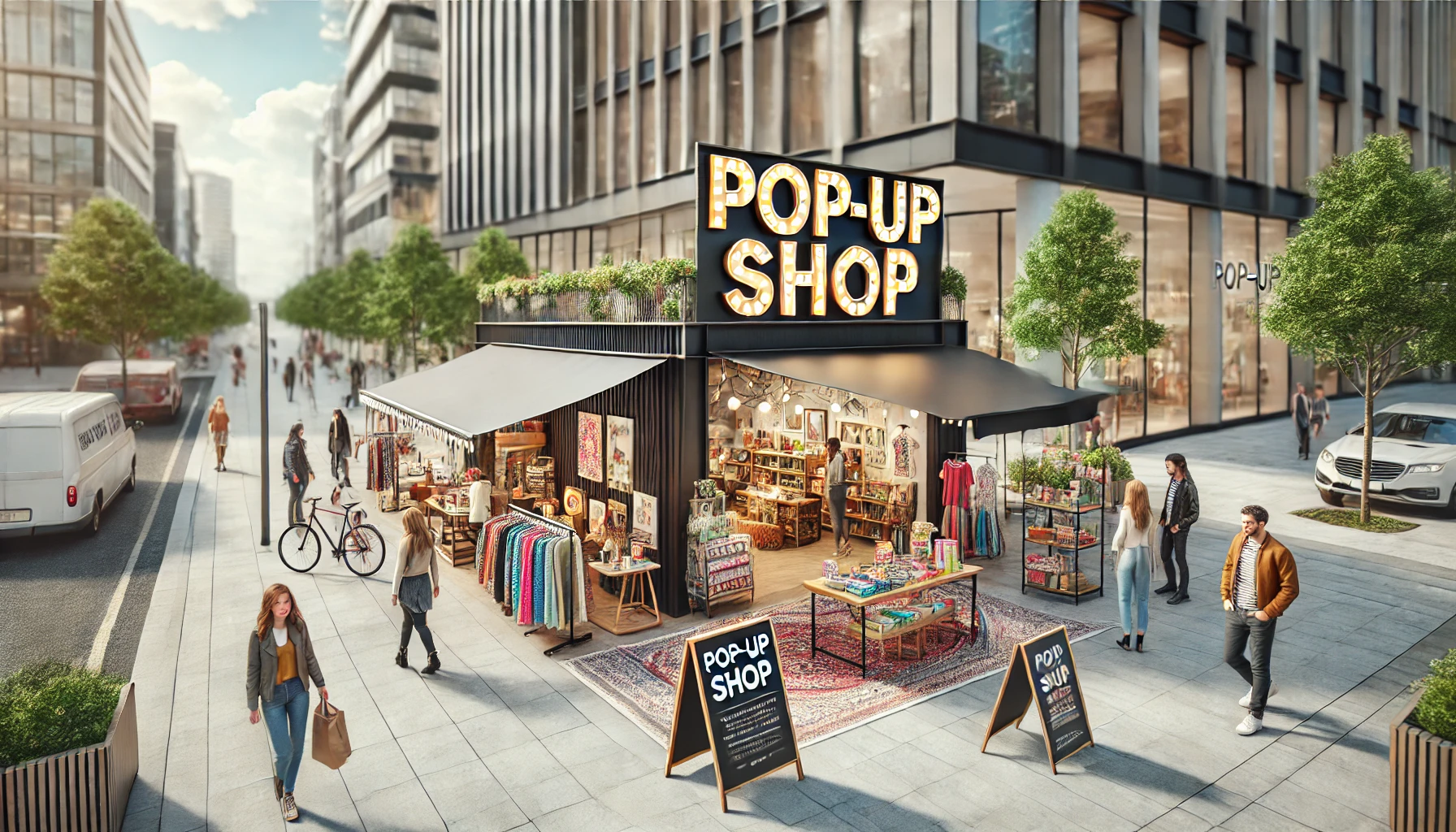
A pop-up shop is a temporary retail space designed to sell products, promote services, or provide an experience for a limited time.
These shops often appear in high-traffic locations like shopping centres, city streets, or event venues, creating a sense of urgency and excitement among potential customers.
Unlike traditional stores, pop-up shops are highly flexible and adaptable. Businesses can use them to test new products, introduce their brand to a new audience, or create an engaging experience for loyal customers.
Pop-up shops can be anything from a small stall in a marketplace to a fully branded space in a busy mall.
The concept has gained immense popularity because it combines affordability with creativity. It allows businesses to create a physical presence without the long-term commitment of a permanent store. This is especially valuable for online-only brands seeking to connect with customers in person.
Why is a Pop-up Shop So Popular?
Pop-up shops are becoming increasingly popular due to their flexibility, affordability, and ability to create a unique shopping experience. They offer businesses a chance to experiment with new ideas without significant financial risk.
One key reason for their popularity is the opportunity they provide for customer engagement. Unlike online shopping, pop-up shops allow businesses to connect directly with customers, offering them a chance to touch, feel, and experience the product firsthand.
Pop-up shops also thrive on the idea of exclusivity. The temporary nature of these stores creates a sense of urgency, encouraging customers to visit before the shop closes. This not only drives foot traffic but also enhances brand visibility and generates excitement.
Additionally, pop-up shops can adapt to seasonal trends and specific events. Whether it’s a holiday-themed store or a pop-up at a local festival, these shops can quickly align with consumer interests and capture attention.
What are the Benefits of a Pop-Up Shop?
Running a pop-up shop comes with several benefits that make it an attractive option for businesses of all sizes.
- Cost-Effective Market Testing: A pop-up shop allows you to test new products, services, or markets without the high costs associated with permanent retail spaces.
- Increased Brand Visibility: These shops help you showcase your brand in a unique and memorable way, attracting attention from local customers and the media.
- Customer Engagement: Pop-up shops offer a platform to interact with customers face-to-face, gather feedback, and build relationships.
- Flexibility and Adaptability: With no long-term leases or commitments, pop-up shops provide the flexibility to experiment with different locations and formats.
- Sales Boost: Limited-time offers and exclusive products often lead to increased sales during the pop-up’s duration.
- Building Buzz: The temporary nature of a pop-up shop creates excitement and a sense of urgency, encouraging customers to act quickly.
These benefits make pop-up shops a versatile tool for businesses looking to expand their reach, test new ideas, or enhance their brand’s presence in the market.
How to Launch a Successful Pop-Up Shop?
Launching a successful pop-up shop requires careful planning and execution. Follow these steps to ensure your shop stands out and achieves its goals:
1. Set Clear Goals

Start by defining the purpose of your pop-up shop. Are you aiming to boost sales, expand your customer base, or test new products? A clear goal will guide all your decisions, from marketing to setup.
For example, if your objective is to collect customer feedback, prepare questionnaires or engage customers in conversations about your products.
If you’re focused on brand awareness, ensure your shop design and experience are memorable and aligned with your branding.
Think about the follow-up work too. If you’re looking to grow your mailing list, encourage customers to sign up for updates or follow your brand on social media. Your goal will shape the customer experience and the results you achieve.
2. Create a Detailed Budget
Creating a budget is crucial to avoid unexpected financial surprises. Consider all potential expenses, including:
- Rent or licensing fees for the location.
- Marketing materials such as flyers and digital ads.
- Costs for interior decorations and product displays.
- Staffing, including temporary hires.
- Insurance and legal fees.
Once you’ve identified the costs, set a sales target to cover your expenses and generate a profit. While pop-up shops are a great branding exercise, it’s essential to aim for at least breaking even. This ensures the project doesn’t become a financial burden.
3. Find a Suitable Location
The right location can make or break your pop-up shop. High-traffic areas like shopping centres, city streets, or community events are ideal.
Here’s how to choose the best spot:
- Evaluate your target audience. Find areas where your ideal customers are likely to shop or gather.
- Determine how much square footage you need for displays and customer flow.
- Partner with complementary businesses to share space and reduce costs.
You can also explore websites like Appear Here or Storefront to find short-term rental spaces. If budget is a concern, discuss trial options or flexible terms with landlords.
4. Understand Legal Requirements and Licensing

Before opening your pop-up shop, ensure you meet all legal requirements. Depending on your location, you may need:
- A business registration if you’re operating as a new entity.
- A short-term lease or a licence to use the space legally.
- Specific permits if you’re selling food, drinks, or alcohol.
Failure to meet these requirements could result in fines or being shut down. Always confirm with local authorities and landlords about necessary documentation.
5. Consider Your Stock Needs
Stock management is critical. Having too much inventory can lead to waste, especially for perishable goods, while understocking can cause missed sales opportunities.
Estimate demand by researching the area and speaking with other traders. Seasonal trends and weather can also influence shopping behaviour.
For first-time pop-up shop operators, start small and adjust your stock for future events based on initial sales data.
6. Promote Your Pop-Up Shop Effectively
Marketing is essential to attract customers to your shop. Use a mix of online and offline strategies, such as:
- Social media campaigns to build anticipation.
- Collaborations with influencers who align with your brand.
- Local flyers and posters to reach nearby audiences.
Engage your audience with promotions, giveaways, or exclusive products. Encourage them to share their experience on social media to further amplify your reach.
7. Don’t Forget About Health and Safety

Maintaining a safe environment is a legal and ethical responsibility. Conduct a risk assessment to identify potential hazards, such as trip hazards or food safety concerns.
Train your staff on health and safety protocols to ensure smooth operations. If your venue requires a documented risk assessment, prepare it well in advance and share it with the event organiser.
8. Manage Your Finances and Insurance
Effective financial management is key. Keep receipts for all expenses, as these can often be offset against taxes. Use simple tools like Square for card payments and keep a cash float for smaller transactions.
Make sure your pop-up shop is insured. Public liability insurance protects your business if a customer is injured or their property is damaged. Product liability insurance covers risks like food poisoning or defective items.
9. Create a Memorable Customer Experience
The experience you offer customers can set your pop-up shop apart. Make your space interactive and engaging with live demonstrations, workshops, or creative displays.
Staff should be friendly, knowledgeable, and eager to assist. A positive customer experience can lead to repeat business and strong word-of-mouth promotion.
10. Gather Feedback and Follow Up
After your pop-up shop concludes, gather feedback to evaluate its success. Use customer surveys or engage with visitors to understand their experience.
Follow up with your new customer base via email or social media to nurture long-term relationships.
By following these steps, you can create a pop-up shop that captures attention and leaves a lasting impression on your audience.
How Much Does a Pop-Up Shop Cost?

The cost of a pop-up shop can vary significantly depending on factors such as location, duration, and setup. In the UK, renting a pop-up space depends mainly on the area and size of the unit.
In major cities, lower-range spaces might cost between £250 to £350 per day. Costs can fluctuate depending on the timing, with higher prices during weekends or in prime areas with higher foot traffic.
Some landlords or realtors may also offer discounts for longer-term bookings, such as weekly or monthly rentals.
Additional costs include permits and licences, which may vary based on local regulations. Interior design, such as signage, displays, and lighting, will also add to your expenses. Staffing your pop-up shop and marketing to attract foot traffic are essential investments.
While prime locations may demand higher rental fees, their increased footfall can lead to better returns on investment, making careful budgeting critical to profitability.
How to Choose the Perfect Location for Your Pop-Up Shop?
The location of your pop-up shop is a critical factor that can determine its success. A well-chosen spot can boost visibility, attract the right audience, and ensure a steady flow of customers. Here’s how to find the perfect location:
- Understand Your Audience: Start by researching your target customers. Determine where they spend their time, shop, and hang out. For example, if your audience is young professionals, consider business districts or trendy neighbourhoods.
- Look for High Foot Traffic: Locations with high pedestrian activity, such as shopping centres, busy streets, or community events, are ideal. These areas provide more exposure and increase the likelihood of impulse purchases.
- Consider Accessibility: Make sure the location is easy to find and access. Proximity to public transport and availability of parking can make a big difference for potential customers.
- Evaluate Surrounding Businesses: Seek areas where neighbouring businesses complement your offerings. For instance, if you sell fitness gear, being near a gym or yoga studio can attract a relevant crowd.
By focusing on these factors, you can secure a location that aligns with your business goals and maximises the potential of your pop-up shop.
Best Pop-Up Shop Ideas
Creativity and innovation are the cornerstones of a successful pop-up shop. A well-thought-out concept can attract attention, engage customers, and leave a lasting impression. Here are some of the best pop-up shop ideas:
- Seasonal Themes: Design a store tailored to holidays or seasons. For example, a Christmas-themed shop could feature festive decorations and gift-ready products.
- Collaborative Pop-Ups: Partner with complementary brands or influencers to expand your reach and appeal to a shared audience.
- Interactive Experiences: Engage customers with live workshops, product demonstrations, or hands-on activities that make the shopping experience more memorable.
- Exclusive Launches: Use your pop-up shop to introduce limited-edition items or preview upcoming products, creating buzz and urgency among customers.
- Artistic Displays: Invest in visually stunning layouts that make your shop Instagram-worthy, encouraging customers to share their experiences online.
These creative ideas not only boost foot traffic but also enhance brand visibility and customer engagement, ensuring your pop-up shop stands out.
How to Market Your Pop-Up Shop to Attract Customers?
Marketing is essential for driving traffic to your pop-up shop and ensuring its success. A strategic approach can help you reach your target audience effectively. Here’s how to market your shop:
- Social Media Campaigns: Use platforms like Instagram and Facebook to create buzz. Post regular updates, teasers, and behind-the-scenes content to build anticipation before the launch.
- Influencer Partnerships: Collaborate with influencers who align with your brand. Their endorsement can attract their followers to your shop and boost credibility.
- Local Advertising: Distribute flyers, posters, and ads in local newspapers or community boards to capture the attention of nearby customers.
- Promotions and Discounts: Offer time-sensitive deals, such as opening-day discounts or freebies for the first few visitors, to create urgency and excitement.
A combination of online and offline marketing ensures broader outreach and helps establish a strong presence for your pop-up shop in the community.
What are the Best Practices for Closing and Following Up After Your Pop-Up Shop?
The closing phase of your pop-up shop is as important as its launch. A smooth wrap-up and strategic follow-up can enhance customer loyalty and set the stage for future ventures.
- Dismantle the Shop: Carefully take down all fixtures, decorations, and inventory. Make sure to leave the space in good condition to avoid additional charges.
- Settle Payments: Clear outstanding dues for rent, utilities, or any temporary staff hired for the shop. Maintaining good relationships with vendors is crucial for future projects.
- Follow Up with Customers: Send thank-you emails or messages to customers who visit. Share exclusive offers or updates about your next venture to keep them engaged.
- Evaluate Performance: Analyse the shop’s success by reviewing sales data, foot traffic, and customer feedback. This evaluation can provide insights for planning your next pop-up shop.
By taking these steps, you can close your pop-up shop efficiently while fostering strong relationships with customers and partners for long-term success.
Conclusion
Pop-up shops are a versatile and powerful tool for businesses looking to make an impact in a short time. From testing new markets to building brand awareness, they offer endless possibilities for growth and innovation.
By following the steps outlined in this guide, you can successfully launch a pop-up shop that captures attention and delivers results.
Whether you’re a small business owner or an established brand, a pop-up shop can help you connect with customers, create buzz, and achieve your goals. Now is the perfect time to take the leap and bring your vision to life!
FAQs About Pop-Up Shop
How long does a pop-up shop usually last?
Pop-up shops generally operate for a few days to a few months, depending on goals and budget. Their temporary nature allows flexibility and creates a sense of urgency for customers.
What are the benefits of running a pop-up shop compared to traditional retail?
Pop-ups offer lower operational costs and greater flexibility than traditional retail. They also allow businesses to test markets, build brand awareness, and engage directly with customers.
Can small businesses afford to launch a pop-up shop?
Yes, pop-up shops are a cost-effective option for small businesses. With proper planning and budgeting, they can achieve high impact without long-term commitments.
Do I need a special permit to run a pop-up shop in the UK?
Permits and licences may be necessary depending on your location and activities. Check with local councils to ensure compliance with regulations.
What products or services work best for a pop-up shop?
Products like fashion, food, tech gadgets, seasonal items, and artisanal goods tend to perform well. These items create excitement and cater to diverse customer interests.
What are some examples of successful pop-up shop campaigns?
Brands like Nike and Glossier have used pop-ups to generate buzz and connect with customers. Their creative campaigns showcase the power of experiential retail.
How can I make my pop-up shop stand out from competitors?
Offer unique experiences, strong branding, and interactive elements to attract attention. Engaging displays and personalised customer interactions make a lasting impression.
Is a pop-up shop suitable for online-only businesses?
Yes, pop-ups are ideal for online brands to connect with customers in person. They create opportunities to showcase products and expand market reach.
How to create an unforgettable customer experience?
Engage customers with live demos, personalised service, and exclusive offers. These elements foster emotional connections and ensure a memorable visit.