Driving safely isn’t just a matter of personal responsibility, it’s a legal obligation in the United Kingdom. UK drivers are bound by a wide range of laws designed to ensure that every vehicle on the road meets established safety requirements.
These regulations aren’t static; they evolve with advancements in automotive technology and the broader road safety landscape.
From annual MOT testing to newly introduced safety technologies like Intelligent Speed Assistance (ISA) and Autonomous Emergency Braking (AEB), modern legal requirements demand more than ever from both vehicle owners and manufacturers.
This blog explores in-depth what the law requires you to maintain for safe driving under legal car safety standards in the UK.
What Are the Current Legal Car Safety Standards in the UK?
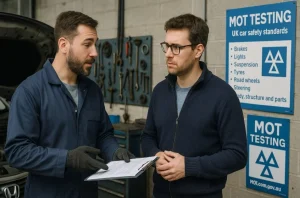
The UK’s legal framework around car safety comprises three central pillars: vehicle compliance, driver responsibility, and ongoing maintenance. These are enforced through legislation such as the Road Traffic Act, construction and use regulations, and regular testing such as the MOT.
Legal safety standards cover mechanical components (e.g. brakes, tyres), safety systems (e.g. seatbelts, airbags), and driver obligations (e.g. visibility, load security). The minimum standards serve to ensure that every vehicle on the road poses no undue risk to its occupants or others.
However, it’s important to distinguish between legal minimums and manufacturer-recommended standards. While legal requirements represent the baseline, manufacturers often recommend more stringent practices, especially when it comes to servicing intervals, part replacements, or software updates.
How Has the UK Adapted to GSR2 Safety Regulations for New Vehicles?
With new safety legislation now in force, the UK has fully aligned its vehicle standards with GSR2, transforming what modern cars must legally include.
GSR2: Raising the Bar for Vehicle Safety
As of July 2024, the UK mandates compliance with the General Safety Regulation 2 (GSR2), bringing in significant advancements in vehicle safety technology.
This regulation was originally developed in the EU, and despite Brexit, the UK has chosen to mirror many of these safety improvements to ensure parity and public protection.
GSR2 requires all newly manufactured vehicles to include advanced driver assistance systems. These aren’t optional upgrades, they are legal safety requirements aimed at reducing accidents caused by human error.
Mandatory Technologies Under GSR2:
- Intelligent Speed Assistance (ISA): Alerts or intervenes when the driver exceeds speed limits
- Autonomous Emergency Braking (AEB): Automatically applies brakes to avoid collisions
- Driver Drowsiness and Attention Warning (DDAW): Monitors for signs of fatigue or distraction
- Emergency Lane Keeping Systems (ELKS): Prevents accidental lane departures
These systems mark a shift from passive to active safety, making vehicles more predictive and responsive to danger.
What Does the Law Require You to Check Regularly on Your Vehicle?
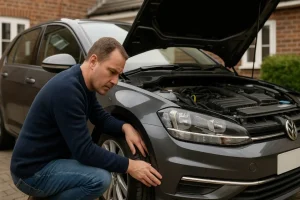
Drivers are not only responsible for how they behave behind the wheel but also for the condition of their vehicle. Daily or weekly checks are strongly encouraged, but there are specific components that drivers are legally obligated to keep in safe, working order.
Neglecting these checks can result in fixed penalties, MOT failure, or even prosecution if an unroadworthy vehicle leads to an accident.
Key Legal Checks Drivers Must Perform:
- Tyres: Tread depth must be at least 1.6mm across the central three-quarters; tyres must be free of cuts or bulges
- Lights: All external lights must function correctly (including indicators and brake lights)
- Brakes: Should feel responsive; any grinding or reduced efficiency can signal a serious issue
- Wipers and Washers: Must keep the windscreen clear in poor weather
- Mirrors and Visibility: Mirrors should be intact; windows must not have excessive tinting
- Fluid Levels: Check oil, brake fluid, and coolant regularly
Failure to maintain these aspects could breach roadworthiness requirements, particularly if the car is involved in a collision.
What Are the MOT Safety Requirements and How Do They Ensure Compliance?
Every car in the UK over three years old must pass an annual MOT (Ministry of Transport) test. This test checks whether the vehicle meets minimum legal safety standards and emissions levels.
The MOT covers a wide array of vehicle systems and structures, and failure in any one category can result in the car being deemed unroadworthy.
Core MOT Safety Categories:
| Safety Area | What Is Checked | Common Reasons for Failure |
| Brakes | Functionality, responsiveness, wear | Worn brake pads, leaking brake fluid |
| Tyres | Tread depth, damage, inflation | Bald tyres, sidewall damage |
| Lights | Headlights, indicators, brake lights | Bulbs not working or misaligned |
| Suspension & Steering | Mechanical integrity, shock absorbers | Loose joints, leaking shocks |
| Body & Structure | Corrosion, sharp edges, seatbelt mounts | Rust, structural damage |
| Visibility | Windscreen clarity, mirrors, washer jets | Cracked glass, broken mirrors |
If your car fails an MOT, you must repair the issue before retesting. Driving without a valid MOT can lead to a fine of up to £1,000 and invalidate your insurance.
Which Car Features Are Now Legally Mandatory for Safety in the UK?

As UK road safety laws tighten, drivers must understand which vehicle features are no longer optional but legally compulsory to remain roadworthy.
Passive vs Active Safety Features
Legal safety requirements in the UK now include both passive features, those that protect you during an accident, and active systems, which help you avoid accidents altogether.
Mandatory Safety Features Include
- Seatbelts for all seating positions
- Child restraint systems for passengers under 135 cm or under 12 years of age
- Airbags in most new vehicles (required under construction regulations)
- Daytime running lights
- Anti-lock Braking System (ABS) for newer cars
- Electronic Stability Control (ESC)
Under GSR2, features such as ISA and AEB have become part of legal vehicle safety requirements, especially for cars registered after July 2024.
These regulations aim to standardise safety across all manufacturers and eliminate optional life-saving features.
How Do Child Car Seat and Seatbelt Laws Apply to Passengers?
In the UK, seatbelt use is mandatory for all passengers unless a valid exemption applies. Drivers are held responsible for ensuring that:
- Children under 135 cm or under 12 years use an appropriate child car seat
- The child seat is correctly installed and suits the child’s weight and size
- Older children and adults wear seatbelts at all times
Failure to comply can result in a fine of £500. More importantly, incorrect usage significantly increases the risk of injury in a collision.
In vehicles without rear seatbelts, it is illegal to carry children under three, and older children must wear seatbelts if available.
How Does the UK Government Test and Rate Vehicle Safety?
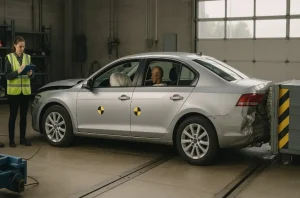
While MOT tests enforce minimum safety compliance, Euro NCAP (New Car Assessment Programme) provides a higher benchmark for vehicle safety.
Euro NCAP vs MOT Testing:
| Feature | Euro NCAP | MOT Test |
| Purpose | Assesses new car crashworthiness | Ensures ongoing roadworthiness |
| Testing Scope | Collision simulations, tech features | Brakes, tyres, lights, emissions |
| Scoring System | Star rating (1 to 5 stars) | Pass/Fail |
| Frequency | One-time at new model release | Annually for cars >3 years old |
| Legal Requirement | No (voluntary for manufacturers) | Yes (compulsory for car owners) |
Euro NCAP often goes beyond legal standards, evaluating child safety, pedestrian protection, and autonomous technologies.
Why Is It Crucial to Exceed Minimum Legal Standards for Car Safety?
While complying with legal standards keeps you road-legal, it doesn’t always guarantee maximum safety. Manufacturers often advise higher maintenance intervals or the use of premium parts, which can extend vehicle life and improve safety.
For instance, the legal tyre tread depth is 1.6mm, but experts recommend changing tyres at 3mm for optimal grip, especially in wet conditions.
Likewise, routine checks beyond the MOT, such as wheel alignment, battery health, and oil quality, can prevent breakdowns and reduce long-term costs.
Exceeding legal standards shows responsibility not just to the law but to your passengers, other road users, and yourself.
Conclusion
Staying compliant with legal car safety standards in the UK is not just about passing an MOT or following the rules, it’s about taking a proactive approach to road safety.
From emerging technologies like AEB and ISA to everyday checks on tyres and fluids, roadworthiness requires attention and responsibility.
As the automotive industry evolves, so too must our understanding of what it means to drive safely. The legal minimums are just that, minimums.
For true safety, it’s wise to go above and beyond. Ensure your vehicle is always in optimal condition and legally compliant, for your safety and that of everyone else on the road.
Frequently Asked Questions
What is the penalty for driving a car that fails to meet legal safety standards in the UK?
Driving an unroadworthy vehicle can lead to a fine of up to £2,500, three penalty points, or even a driving ban in severe cases.
Are second-hand cars subject to the same safety requirements as new cars?
Yes, second-hand vehicles must meet the same MOT and roadworthiness standards. However, they are not required to have the latest GSR2 tech unless newly registered.
How can I prepare my car for an MOT to ensure it passes safety checks?
Ensure all lights are functioning, tyres meet the legal tread depth, brakes respond properly, and visibility tools like mirrors and washers are working.
What happens if my Intelligent Speed Assistance system stops working?
If the vehicle was manufactured with ISA as a legal requirement, it must be repaired. A malfunction could lead to an MOT fail or legal non-compliance.
Do electric and hybrid vehicles follow different safety regulations in the UK?
The core safety standards apply equally to all vehicle types. However, electric vehicles may have additional guidelines for battery systems and high-voltage components.
Is there a grace period for installing new GSR2 safety tech in older models?
No. GSR2 regulations apply only to new vehicles manufactured after the regulation date. Older models are not retroactively required to comply.
How can drivers stay up to date with changing UK car safety legislation?
Monitoring updates from official government websites, vehicle manufacturers, and MOT advisory boards ensures you remain informed about evolving requirements.