The modern workplace has changed dramatically over the past decade. Offices are no longer just rows of desks and fluorescent lighting; they are carefully planned environments designed to support productivity, collaboration, and employee wellbeing.
As businesses adapt to new ways of working, office design trends continue to evolve, reflecting shifts in technology, culture, and expectations. Below are some of the key office design trends shaping today’s workplaces and influencing how people work every day.
What Are the Unique Office Design Trends Shaping Today’s Workplaces?
Flexible and Adaptable Layouts
One of the most significant trends in office design is flexibility. With hybrid working now common, offices need to support different tasks and fluctuating occupancy levels. Fixed desk arrangements are giving way to adaptable layouts that can be reconfigured easily.
Moveable furniture, modular desks, and multipurpose spaces allow offices to switch between focused work, collaboration, and social interaction. This adaptability helps businesses make better use of space while giving employees the freedom to choose how and where they work within the office.
Focus on Employee Wellbeing
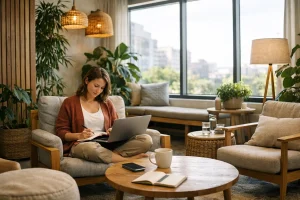
Employee wellbeing has become a priority in office design. Companies recognise that a comfortable, healthy environment can reduce stress and support better performance. As a result, offices are being designed with both physical and mental wellbeing in mind.
Natural light, good ventilation, and ergonomic furniture are now considered essentials rather than extras. Breakout areas, quiet zones, and wellness rooms offer staff places to recharge during the day. These design choices show a clear shift towards creating offices that care for the people using them.
Biophilic Design and Natural Elements
Biophilic design, which brings elements of nature into the workplace, continues to gain popularity. Plants, natural materials, and organic textures are being used to create calmer, more inviting spaces.
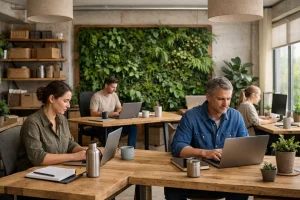
Living walls, indoor plants, and wooden finishes help soften modern office interiors while improving air quality and mood. Studies suggest that contact with nature can improve focus and reduce fatigue, making biophilic design a practical choice as well as an aesthetic one.
Spaces Designed for Collaboration
While remote work has increased, offices remain important hubs for collaboration. Modern office layouts are being designed to encourage teamwork and communication, rather than individual desk-based work alone.
Open-plan collaboration zones, informal meeting areas, and shared project spaces support spontaneous conversations and idea-sharing. These areas are often placed centrally to make them easy to access and visually inviting, helping to build stronger connections between teams.
Quiet Zones for Focused Work
Alongside collaborative areas, there is a growing need for quiet, distraction-free spaces. Open-plan offices can be noisy, so designers are now balancing openness with privacy.
Phone booths, acoustic pods, and small private rooms allow employees to focus, take calls, or work on tasks that require concentration. Acoustic materials and thoughtful layouts help manage sound levels and create a more comfortable working environment overall.
Sustainable and Responsible Design Choices
Sustainability is influencing many office design decisions. Businesses are increasingly aware of their environmental impact and are choosing materials and layouts that support long-term responsibility.
Energy-efficient lighting, recycled materials, and durable furniture are becoming standard features. Offices are also being designed to last longer, with timeless finishes and flexible layouts that reduce the need for frequent refurbishments. This approach not only benefits the environment but can also reduce costs over time.
Use of Texture and Visual Interest
Modern offices are moving away from plain, uniform interiors. Texture and visual interest are being introduced to make workplaces feel more engaging and less corporate. Feature walls, layered materials, and thoughtful colour palettes add personality to office spaces.
Design elements such as slatted wall panels are sometimes used to introduce warmth and structure while also helping with acoustics. These details can define zones within an open-plan space and create a more considered, welcoming atmosphere.
Technology-Integrated Workspaces
Technology plays a central role in how offices function today. Design trends reflect the need for seamless integration of digital tools without overwhelming the space.
Smart meeting rooms, built-in charging points, and cable management systems help keep offices tidy and functional. Technology is often subtly integrated into furniture and layouts, ensuring it supports work without becoming a visual distraction.
Personalisation and Brand Identity
Offices are increasingly being used to express company culture and values. Rather than generic designs, workplaces now reflect brand identity through colour schemes, materials, and layout choices.
Custom signage, artwork, and locally inspired design elements help create a sense of belonging and pride among employees. A personalised office can also leave a strong impression on clients and visitors, reinforcing the company’s identity from the moment they enter the space.
The Office as a Destination
Finally, today’s offices are designed to be places people want to go to, not just places they have to be. Comfortable lounges, café-style areas, and social spaces make the office feel more like a community hub.
By offering an environment that supports collaboration, focus, and comfort, businesses can encourage employees to spend time in the office when it adds value. This shift reflects a broader understanding that the workplace should support people, not just processes.
As work patterns continue to change, office design will keep evolving. The most successful workplaces will be those that balance flexibility, wellbeing, and functionality, creating spaces that genuinely support how people work today.