As the colder months approach, British Gas has issued a nationwide call to action, urging UK households to prepare their boilers and insulate their homes in anticipation of winter.
This warning is more than just a seasonal reminder, last year alone, over 1.2 million emergency boiler repairs were carried out by British Gas engineers, highlighting the significant number of households caught off guard when the cold set in.
Now, with rising energy bills, a volatile price cap, and the ongoing cost-of-living crisis, British Gas is encouraging early preparation to ensure households remain warm, efficient, and protected from preventable heating issues.
What’s Behind the British Gas Warning This Winter?

The appeal from British Gas comes amid a backdrop of increasing boiler failures during the UK’s coldest months. According to data from the company, a majority of homes tend to turn on their heating for the first time in late October, often after four consecutive days of temperatures below 9°C.
The issue lies in the sudden strain placed on neglected systems. When heating is reactivated after months of inactivity, faults such as trapped air, corroded parts, and system pressure imbalances often come to the surface.
These problems can lead to complete boiler failure, leaving many without hot water or heating at the worst possible time.
Rising Emergency Call-Outs
British Gas reported that over 1.2 million customers required emergency engineer visits last winter. These call-outs not only put pressure on the company’s repair network but also left many households without essential heating during freezing conditions.
Cold Weather Patterns and Household Behaviour
Data shows a trend where many households wait until there’s a noticeable and consistent temperature drop before activating their central heating. This pattern, combined with delayed maintenance, increases the likelihood of problems occurring when systems are least resilient.
When Do Most UK Households Typically Turn on Their Heating?
Most UK residents begin using their central heating systems between late September and late October, depending on location and weather. However, British Gas identifies a clear trigger: four consecutive days with temperatures below 9°C.
A survey conducted by Uswitch in September 2025 found that more than 4 million households had already turned on their heating before the start of October, signalling increasing concern about home warmth, even at the cost of higher energy bills.
Interestingly, over 2 million households reportedly plan to avoid using central heating altogether this winter due to cost fears, choosing instead to rely on electric heaters, blankets, and layered clothing.
How Can Boiler Maintenance Prevent Costly Winter Breakdowns?
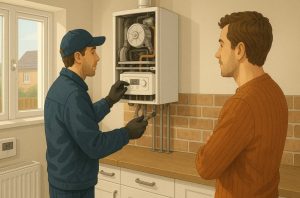
Proactive boiler maintenance is the first line of defence against winter heating failures. British Gas engineers emphasise that pre-season checks can significantly reduce the risk of breakdowns and lower the likelihood of costly repairs.
Importance of Regular Servicing
Annual servicing ensures that a boiler operates safely and efficiently. It includes inspections for leaks, pressure issues, and internal wear. Experts recommend booking services before October, when demand for heating engineers spikes.
Common Issues to Watch For
One of the most common signs of trouble is a radiator that’s cold at the top and warm at the bottom. This usually indicates trapped air and requires bleeding a simple fix that many homeowners overlook until problems escalate.
In addition, failing to address small leaks, corrosion, or pressure drops can lead to total boiler shutdowns when heating demand peaks.
What Simple Steps Help Insulate Homes More Effectively?
Effective home insulation plays a key role in retaining heat and reducing energy waste. Many improvements are affordable and can be done without professional help, making them suitable for most households.
One of the simplest methods is draught-proofing. Using self-adhesive foam strips around window and door frames helps block cold air. Draught excluders, keyhole covers, and letterbox brushes also reduce heat loss and keep indoor spaces warmer.
Furniture placement can also affect heat circulation. Large items placed directly in front of radiators restrict warm air flow, reducing efficiency.
Additionally, thicker curtains and rugs on bare floors can make a noticeable difference by trapping heat and adding extra insulation, helping homes stay comfortable and energy-efficient throughout the colder months.
How Can Thermostat Settings Impact Comfort and Energy Bills?
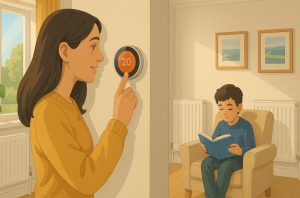
Thermostat management plays a crucial role in both comfort and energy efficiency. British Gas recommends setting the thermostat between 18°C and 21°C—a range that balances warmth with affordability.
Small changes can have a big impact. According to the company, lowering the thermostat by just one degree can save households up to £75 annually, or 10% off the average heating bill.
| Thermostat Temperature | Estimated Savings per Year | Comfort Level |
| 21°C | Baseline (no savings) | High comfort |
| 20°C | £40 | Comfortable |
| 19°C | £60 | Balanced |
| 18°C | £75 | Cost-efficient |
In addition to settings, timing is key. British Gas recommends programming the heating to switch on 15 minutes before waking up and off 30 minutes before bedtime to maximise comfort and avoid energy waste.
What is Zonal Heating and Why Does British Gas Recommend It?
Zonal heating refers to only warming rooms that are currently in use, rather than heating the entire home. This targeted approach can significantly cut energy usage without sacrificing comfort.
For instance, there’s little benefit in heating unused guest rooms, storage areas, or hallways. By adjusting thermostatic radiator valves (TRVs), homeowners can reduce output in less-used zones, allowing the boiler to work more efficiently.
| Room Type | Recommended Heating Strategy |
| Living Room | Heated during evening hours |
| Bedrooms | Heated before bedtime |
| Spare Rooms/Guest Rooms | Minimal or no heating unless occupied |
| Bathrooms | Heated in early morning/evening |
This method is especially useful for larger homes, where full-house heating can result in significant energy waste.
How Can UK Residents Contact British Gas for Help or Emergencies?

Being able to contact British Gas easily is vital for managing urgent heating or service-related issues, especially during winter.
British Gas Free Number and Opening Times
The British Gas freephone number is 0800 048 0202, available for general enquiries and emergencies.
Standard customer service hours typically run from Monday to Friday, 8am to 8pm, and Saturday, 8am to 6pm. Emergency repair services operate 24/7.
British Gas Bereavement Contact Number
For those dealing with the loss of a loved one and needing to close or amend an account, British Gas has a dedicated bereavement support contact number: 0800 107 0184. This service is handled with sensitivity and offers guidance on transferring or closing energy accounts.
Alternative Ways to Get in Touch
Besides phone support, British Gas also provides online services via their website and mobile app. Live chat, email, and account management tools are available to assist with billing, appointments, and usage tracking.
What Else Can Be Done to Reduce Energy Costs This Winter?
Beyond regular boiler maintenance and good insulation, there are several practical ways households can manage energy costs more efficiently during the colder months.
Practical Energy-Saving Tips:
- Adjust Boiler Flow Temperature: Lowering the boiler flow temperature from 80°C to around 55–60°C helps it operate in condensing mode, improving efficiency and reducing energy waste.
- Avoid Common Heating Mistakes: Avoid drying clothes on radiators, as this can cut heat output by up to 20%. Keep furniture and curtains away from radiators to allow better heat circulation.
- Explore Fixed-Rate Energy Tariffs: With prices fluctuating, a fixed-rate plan can provide more predictable bills and long-term savings compared to variable tariffs.
Small adjustments like these can make a noticeable difference in comfort and cost efficiency throughout winter.
Conclusion
The warning from British Gas is not just about convenience, it’s a practical, cost-saving strategy for millions of UK households.
By taking action before the cold sets in, residents can avoid the stress of boiler failures, reduce their energy bills, and ensure their homes are safe and warm throughout the winter.
Whether it’s bleeding radiators, sealing draughts, or simply resetting the thermostat, small adjustments can yield substantial savings. In an era of rising costs and uncertain energy markets, preparation isn’t just sensible, it’s essential.
Frequently Asked Questions
How often should UK homeowners bleed their radiators?
Radiators should be bled at least once a year, preferably before the start of winter. This ensures trapped air doesn’t prevent proper heat circulation.
What temperature should pipes be insulated to prevent freezing?
Pipes are vulnerable when external temperatures fall below 0°C. Insulating them helps retain heat and prevents freezing or bursting.
What are the signs a boiler needs immediate servicing?
Warning signs include low pressure, noisy operation, inconsistent heating, or pilot light issues. A professional inspection is recommended if any of these occur.
Is it cheaper to use electric heaters instead of central heating?
In most cases, gas central heating is cheaper than prolonged use of electric heaters, although electric heaters may be cost-effective for small, short-term use.
Can smart thermostats help lower heating bills?
Yes, smart thermostats optimise heating schedules, reduce unnecessary usage, and provide insights into energy habits, potentially saving £50–£100 per year.
What support is available for households struggling with energy bills?
Programmes like the Warm Home Discount, Winter Fuel Payment, and British Gas Energy Trust are available for qualifying households.
Are fixed-rate energy tariffs better than variable ones right now?
Given the recent energy price cap increase, many experts recommend exploring fixed-rate plans, especially if wholesale prices are falling.