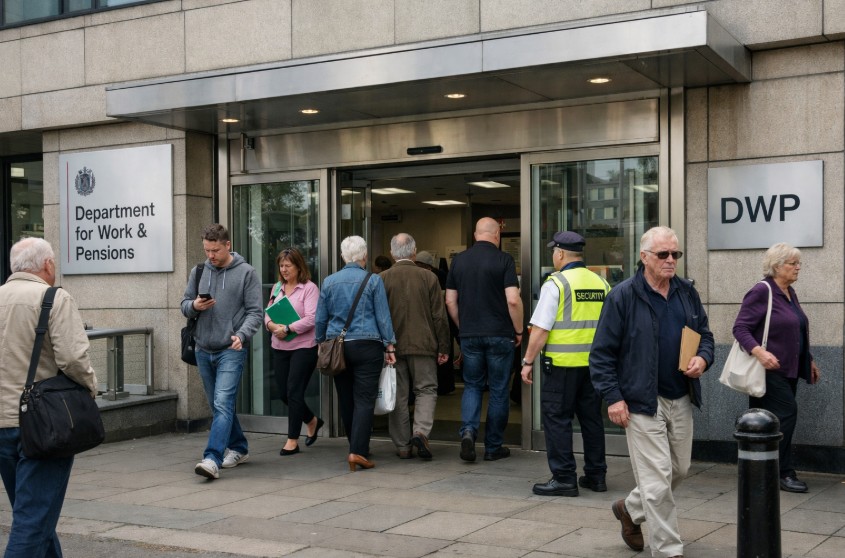

Are in-person PIP assessments making a comeback? That’s the question currently circulating among Personal Independence Payment (PIP) claimants across the UK. After years of virtual evaluations driven by pandemic restrictions, the Department for Work and Pensions (DWP) has confirmed a phased return to face-to-face assessments.
This gradual increase, set to reach full implementation by autumn 2025 and into 2026, marks a pivotal shift in the welfare assessment process.
In this blog, we explore what this change means for PIP recipients, the implications for the welfare system, and how it forms part of broader reforms aimed at reducing dependency and promoting work where possible.
Why is the DWP increasing face-to-face PIP assessments by Autumn 2025?
The DWP is increasing face-to-face PIP assessments in response to long-standing concerns about the reliability of virtual evaluations. During the pandemic, up to 80% of assessments were carried out by phone or video, which critics argue did not always capture the full impact of a claimant’s condition.
The current Labour government has reviewed this approach and concluded that remote assessments may have contributed to decision inaccuracies and growing backlogs. As a result, it plans to rebalance the system by restoring in-person consultations while keeping flexibility where genuinely needed.
Key reasons behind the shift include:
- Improving assessment accuracy
- Reducing delays and backlogs
- Ensuring support reaches those most in need
Overall, the aim is to create a fairer, more effective welfare system that balances support with accountability.
What Are the Specific Changes to PIP Assessment Formats?

The government is introducing clear, measurable changes to PIP assessment formats to shift the process back towards more in-person evaluations and detailed reviews.
From Virtual to In-Person: The Statistical Shift
The DWP is implementing a significant restructuring of how PIP assessments are conducted. Currently, only 6% of assessments are carried out face-to-face. By 2026, this figure is expected to jump to 30%.
In parallel, assessments for the Work Capability Assessment (WCA) will increase from 13% to 30%, reinforcing the government’s wider push to ensure thorough eligibility checks across all benefit categories.
| Assessment Type | 2024 (Current) | 2026 (Target) |
| PIP Face-to-Face Assessments | 6% (approx. 57,000) | 30% |
| WCA Face-to-Face Assessments | 13% (approx. 74,000) | 30% |
This reform is not merely about numbers. It’s about increasing the reliability of the decision-making process, ensuring that those who need support are identified accurately, and minimising the potential for fraudulent or inappropriate claims.
Real-Time Example: Sarah’s Experience with the New System
Sarah, a 42-year-old from Manchester living with a long-term neurological condition, received her last PIP review over a phone call in 2021.
Although her mobility had worsened, the assessor, limited to verbal cues, did not recommend additional support. In 2026, under the updated system, Sarah will likely attend a face-to-face reassessment.
The physical consultation is expected to provide a more accurate picture of her daily struggles, potentially leading to adjustments in her support level, something the previous method failed to reflect.
How Will the New PIP Rules Affect Claimants in the UK?
The upcoming shift to face-to-face PIP assessments will impact hundreds of thousands of claimants from 2025 onwards. While aimed at improving fairness and accuracy, the change raises concerns among vulnerable groups such as:
- Disabled individuals with mobility or mental health challenges
- Older people, particularly pensioners unsure about exemption rules
- Carers assisting with PIP applications or attending assessments
For many, returning to in-person assessments may feel intrusive or cause anxiety, particularly for those with difficult past experiences. The DWP has stated that virtual assessments will still be available in exceptional cases to maintain flexibility.
However, the broader expectation is that face-to-face evaluations will become standard practice again, and claimants should start preparing for this transition.
When will Face-to-face PIP Assessments Officially Begin Again?

The reintroduction of face-to-face PIP assessments won’t happen overnight. Instead, the government is adopting a staggered approach, with full implementation expected by April 2026.
However, early stages of the transition are already underway, with the DWP confirming an increase in such assessments from 2024 onward.
Here is a rough timeline of the anticipated rollout:
| Year | Key Developments |
| 2024 | Initial phase begins – 6% of assessments in person |
| 2025 | Gradual increase through spring, summer, and autumn |
| 2026 | Target reached – 30% of all assessments in person |
The plan aims to avoid system overload while gradually shifting the resources needed to handle in-person evaluations, including clinic space, medical staff, and support personnel.
What is the Connection Between PIP Assessments and the Work Capability Assessment (WCA)?
The increase in face-to-face PIP assessments mirrors similar changes being made to the Work Capability Assessment, which is used to evaluate whether someone receiving Universal Credit is fit for work.
While both assessments are separate, they share infrastructure and health professionals, making their reform interconnected. The DWP’s decision to extend reassessment intervals and shift some resources to WCA processing reflects the need to streamline the entire benefits system, not just PIP.
The WCA will also move to a 30% face-to-face model, enhancing consistency and reducing the dependency on remote-only assessments.
How Will the Extended Review Periods Impact New and Existing PIP Claimants?

One of the more claimant-friendly aspects of the reform is the extension of award review intervals. Previously, some recipients were reviewed as frequently as every nine months, often without changes in their condition. This created unnecessary administrative pressure and emotional distress for many.
Now, the DWP plans to:
- Set minimum three-year review periods for new claims
- Allow a five-year review interval for ongoing claims where the claimant’s eligibility remains unchanged
This strategy is expected to reduce unnecessary reassessments and free up health professionals to focus on new or more complex cases.
| Claim Type | Old Review Period | New Review Period |
| New Claims | 9 months–2 years | 3 years minimum |
| Continued Eligibility | Variable | Up to 5 years |
The review extensions, while separate from the Timms Review, directly support the goal of making the welfare process less burdensome for long-term claimants.
What Role Will Health Professionals and Work Coaches Play in the New System?
Health professionals and work coaches will be central to delivering the DWP’s new assessment and employment-focused approach, acting as the key link between accurate benefit decisions and practical support for claimants.
Increased Workforce Redeployment
To support the increase in face-to-face assessments, over 1,000 work coaches will be redeployed, and more health professionals will be freed up through the extended review intervals.
Connect to Work: A Support Programme
The DWP’s Connect to Work initiative will also play a central role in linking claimants to tailored employment support. This programme aims to assist 300,000 people with disabilities or long-term sickness in securing employment by the end of the current parliament.
Key functions of work coaches and health professionals in this transition include:
- Conducting accurate, in-person assessments
- Identifying job readiness among claimants
- Referring suitable candidates to employment support schemes
This dual role enhances the system’s ability to support while encouraging those able to return to work.
How Much Money is the Government Aiming to Save Through These PIP Reforms?

The financial rationale behind the reforms is significant. According to government estimates, the changes are projected to save the UK taxpayer £1.9 billion by 2030/31.
This saving is not just from reduced fraud or inappropriate claims but also from the efficiencies created by:
- Reducing reassessment frequency
- Aligning PIP and WCA processing
- Improving employment outcomes for those previously categorised as “unfit for work”
The government believes this financial saving will allow for a better allocation of funds toward healthcare, disability services, and support for those in genuine need.
What Are the Broader Implications of the Welfare Reforms for Disabled People in the UK?
The wider impact of welfare reforms on disabled people in the UK will largely depend on how carefully they are applied in practice. While the DWP aims to improve fairness and reduce long-term dependency, the changes bring mixed outcomes for claimants.
Face-to-face assessments may provide a fuller, more accurate picture of individual needs, potentially leading to better-targeted support. However, they can also increase pressure for people who face mobility issues, anxiety, or communication difficulties.
Alongside this, the Timms Review will examine whether PIP truly promotes independence, health, and quality of life. If handled with care and flexibility, these reforms could mark a meaningful shift toward a more supportive and empowering welfare system.
Conclusion
The DWP’s plan to increase face-to-face PIP assessments by Autumn 2025 signifies a transformative moment in the UK’s welfare strategy.
With reassessment intervals extended, work capability considerations strengthened, and more direct support systems introduced, the reforms strive to balance compassion with efficiency.
For claimants, preparation is key, both in understanding their rights and ensuring they are equipped for these upcoming changes. For policymakers, continued adaptation and oversight will be essential to ensure fairness and accessibility remain at the heart of the welfare system.
Frequently Asked Questions
What conditions are most likely to qualify for maximum PIP awards under the new rules?
Severe, long-term conditions like multiple sclerosis, Parkinson’s disease, and serious mental health disorders are most likely to qualify. These significantly affect daily living or mobility.
How can claimants prepare for face-to-face assessments starting from 2026?
Gather recent medical evidence and clearly note daily difficulties. Support from carers or advisers can be helpful.
Will pensioners still be required to undergo in-person assessments?
Most pension-age claimants are exempt unless their condition changes. New claimants may still attend one assessment.
What is the Timms Review and how does it affect PIP changes?
It reviews how PIP works for disabled people in practice. It informs policy but does not set new rules.
How does the Connect to Work initiative support disabled individuals?
It offers personalised coaching, CV support, and job matching. The aim is to help people move into suitable work.
What happens if a claimant refuses or misses a face-to-face PIP assessment?
Their claim may be paused or stopped without good reason. Valid medical or access issues must be reported.
Are there any changes to PIP payment rates or thresholds?
Rates may change with inflation over time. No major payment changes are confirmed yet.
Also Read:
- DWP Confirms Universal Credit Rise for 2026 in the UK – How Much Will It Be?
- DWP Confirms Winter Fuel Payment Amounts and Eligibility Criteria for Pensioners in the UK
- DWP Confirms Early August 2025 Benefit Payments for Many | What Claimants Need to Know?
- Banks Ordered to Snoop on Pensioners | How HMRC and DWP Could Access Your Accounts?