
Streaming devices like Amazon’s Fire Stick have reshaped how people across the UK access digital entertainment, offering convenience and affordability. However, the growing use of modified or “dodgy” Firesticks has fuelled widespread illegal streaming, allowing users to bypass paid subscriptions and copyright protections.
In response, a major crackdown is underway. Amazon, working with anti-piracy organisations, has begun banning popular piracy apps and blocking unauthorised services, leading to the shutdown of many illicit sellers.
Thousands of users have been affected, sparking debate around digital rights and enforcement. This article explains why the bans happened, who is impacted, and what it means for the future of streaming in the UK.
What Are Dodgy Firesticks and Why Are They Popular in the UK?
Dodgy Firesticks, often referred to as “fully loaded” or “jailbroken” devices, are modified versions of Amazon Fire TV Sticks. These devices come pre-installed with unauthorised third-party applications that allow users to stream premium content, such as sports, films, and box sets, without a legitimate subscription.
In regions like South Lanarkshire and other parts of Scotland, the popularity of these devices has surged. With the cost of mainstream streaming platforms like Sky, Netflix, and Disney+ continuing to rise, many consumers turned to these cheaper, often one-off alternatives.
Some services offered a full year of access to premium content for as little as £50–£70, less than a single month’s fee for multiple official subscriptions combined.
The appeal is clear: minimal ongoing costs, access to a wide range of live sports and TV shows, and the promise of plug-and-play convenience. However, as enforcement tightens, so too does the risk for both sellers and users.
How Do These Devices Enable Illegal Streaming?
Dodgy Firesticks work by bypassing Amazon’s official app restrictions, usually through a process known as sideloading. This allows sellers or users to install unofficial apps manually, outside the Amazon Appstore, giving access to services Amazon does not approve or monitor.
These unofficial apps commonly provide access to illegal IPTV services, peer-to-peer streaming platforms, and pirated content libraries. As a result, users can watch live sports, pay-per-view events, films, and TV shows without paying legitimate subscription fees.
Commonly used tools include:
- Modified versions of Kodi
- Unlicensed IPTV platforms
- Streaming apps that scrape copyrighted content
Many of these apps are updated remotely by sellers to avoid detection, helping illegal streaming continue until services are shut down.
Why Did Amazon Suddenly Crack Down on Dodgy Firesticks?
Amazon’s crackdown has been building over time, but recent months have seen a noticeable escalation. There are several factors driving this shift.
1. Rising Pressure from Rights Holders
Amazon is part of the Alliance for Creativity and Entertainment (ACE), a global coalition of media companies that aim to combat digital piracy.
With increasing pressure from rights holders to address illegal streaming of high-value content, particularly Premier League matches and first-run films, Amazon has taken stronger action.
2. Technology Updates and App Blocking
Amazon has updated its Fire Stick firmware to restrict sideloading and identify apps accessing pirated content.
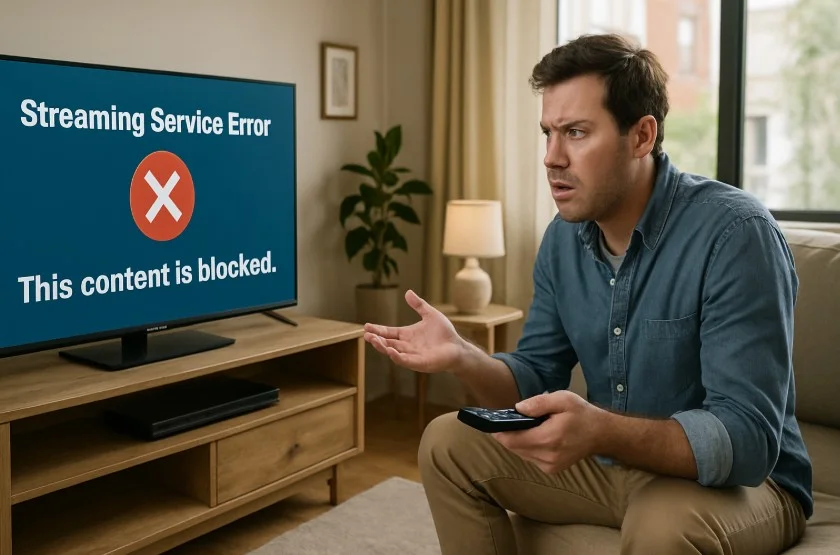
When such apps are detected, users are now met with warning messages on screen, informing them that the application provides access to unlicensed material. The app is then disabled or removed from the system.
3. Blacklisting Tools and Unofficial App Bans
App Cloner, a once-popular workaround that allowed users to duplicate or disguise unauthorised apps, has been removed from the Appstore.
Amazon now actively blacklists known piracy tools, even those previously available via official channels. This shift has significantly reduced the number of workarounds available to users.
What Are the Specific Apps That Were Banned – And How?
Amazon has not published an official list of banned apps, but users have reported increasing failures when trying to run previously reliable streaming services.
The platform identifies these apps based on their package names, a unique identifier tied to the software. If a package is linked to piracy or unauthorised content distribution, the app is blocked or removed.
Although tools like App Cloner were once used to disguise these apps, allowing them to run under different names, Amazon’s enhanced detection systems have now limited the effectiveness of this approach. Some users report that even rebranded apps are being disabled shortly after installation.
Fire Stick devices themselves remain usable for legitimate streaming purposes, but any attempt to access illegal apps will now likely trigger a system-level block.
How Did Sellers React to the Recent Piracy Crackdown?
The seller community that once thrived on pre-configured Firesticks has taken a significant hit. In parts of the UK, particularly South Lanarkshire, numerous operations have shut down abruptly. Customers attempting to reach sellers were told that services had been suspended due to increased risk and visibility.
Some users also encountered dismissive responses when requesting refunds, highlighting the informal and unregulated nature of the market. In many cases, sellers have either disappeared entirely or are attempting to develop new methods to avoid detection.
As enforcement expands, more sellers are likely to abandon their operations or face legal consequences. This retreat has left many users without support, guidance, or access to the content they paid for, albeit illegally.
What Is the Role of FACT and Other Anti-Piracy Bodies?
The Federation Against Copyright Theft (FACT) has played a pivotal role in the UK’s piracy enforcement landscape. In cooperation with local police forces and global anti-piracy networks, FACT has conducted multiple operations across 19 UK regions to shut down illegal streaming operations.
Substantial resources have been allocated to identifying, investigating, and prosecuting sellers of dodgy Firesticks. Raids have led to arrests, equipment seizures, and, in some cases, prison sentences for those found guilty of facilitating piracy.
FACT’s strategic partnership with Amazon and other stakeholders ensures that enforcement is not just reactive but proactive, closing the net on sellers and users alike.
What Are the Legal Risks for Users and Sellers?

There’s a widespread misconception that using a dodgy Firestick is a minor offence or not illegal at all. In reality, both sellers and users could face serious legal consequences under UK law.
Legal Risks for Sellers
Sellers of pre-loaded or jailbroken Firesticks may be prosecuted under the Copyright, Designs and Patents Act 1988. Offences include distribution of copyrighted material and intent to defraud rights holders. Penalties can include:
- Up to 10 years in prison
- Unlimited fines
- Asset confiscation and business closure
Legal Risks for Users
While enforcement against end-users has historically been rare, it is not legally protected. Users who knowingly access pirated content could face:
- Up to 5 years in prison
- Significant fines
- Internet bans or ISP intervention
In essence, ignorance of the law offers no defence. If you stream pirated content using a dodgy Firestick, you are breaking the law.
Can Users Still Bypass Amazon’s New Security Measures?
While some users still attempt to bypass Amazon’s app blocks, the options are becoming increasingly limited. Amazon’s system now detects apps not just by name, but also by behaviour, monitoring what content they access and how they communicate with streaming servers.
Attempts to use cloned apps, VPNs, or other obfuscation tools may temporarily work, but most are flagged within days. Furthermore, these techniques expose users to significant cybersecurity risks, as many unofficial app sources are riddled with malware or phishing code.
Is Streaming Piracy Really Worth the Risk in the Long Run?
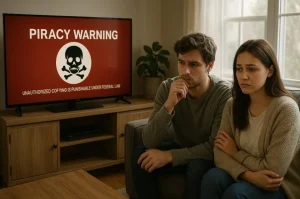
Piracy has long been seen by some as a victimless crime. But the truth is far more complex. The impact of illegal streaming reaches far beyond lost revenue, it supports criminal enterprises, undermines creative industries, and puts users at risk.
Risks and Impacts of Using Dodgy Firesticks:
| Risk Type | Description |
| Legal | Potential prosecution and fines |
| Financial | No customer protection, no refunds |
| Security | Exposure to malware and identity theft |
| Ethical | Supports organised crime and damages media industries |
| Functionality | Frequent app failures, poor streaming quality |
The temporary cost saving is rarely worth the long-term consequences. With legal streaming options expanding and becoming more competitive, consumers now have safer and more reliable alternatives at their disposal.
Comparison Table: Legal vs Illegal Streaming Devices
| Feature | Legal Fire Stick Usage | Dodgy Fire Stick Usage |
| Content Source | Official apps (e.g., BBC iPlayer, Netflix) | Pirated streams, IPTV |
| Security | Amazon monitored and updated | Unsecured, malware-prone |
| Customer Support | Available from Amazon | None or untraceable sellers |
| Legality | 100% compliant | Breaches UK copyright law |
| Cost | Subscription-based | Often one-time low fee |
| Risk Level | Low to none | High (legal and cyber risks) |
Conclusion
The recent clampdown on dodgy Firestick sellers in the UK marks a turning point in the fight against illegal streaming.
As Amazon enhances its security measures and partners with global anti-piracy organisations, both sellers and users are finding it harder to operate in the grey areas of digital content consumption.
Consumers must weigh the short-term savings against the very real risks, legal, ethical, and personal, associated with piracy. The message from authorities and content providers is now louder and clearer than ever: piracy is not worth the price.
Frequently Asked Questions
What is the Alliance for Creativity and Entertainment (ACE)?
ACE is a global anti-piracy organisation comprising major media companies. It partners with platforms like Amazon to identify and shut down piracy operations.
Can a Fire Stick be hacked without jailbreaking it?
While basic sideloading is possible, most piracy functions require some level of modification or unauthorised access beyond standard settings.
Is it illegal to own a pre-configured Fire Stick in the UK?
Ownership alone isn’t illegal, but using it to access copyrighted content without permission is a breach of UK law.
What are the signs that a Fire Stick has been tampered with?
Common signs include unfamiliar apps, access to premium channels without login, or menu options not found on official Amazon devices.
Are streaming sticks from other brands like Roku also affected?
Piracy apps can be sideloaded on various platforms, but Amazon Fire Stick is currently the main focus of UK enforcement due to its popularity.
Will Amazon refund or replace blocked Fire Sticks?
No. If a device is found to be modified or tampered with, it voids Amazon’s warranty and support policies.
How can I report someone selling dodgy streaming devices?
Illegal sellers can be reported to local authorities or anti-piracy bodies, who handle enforcement and investigation.