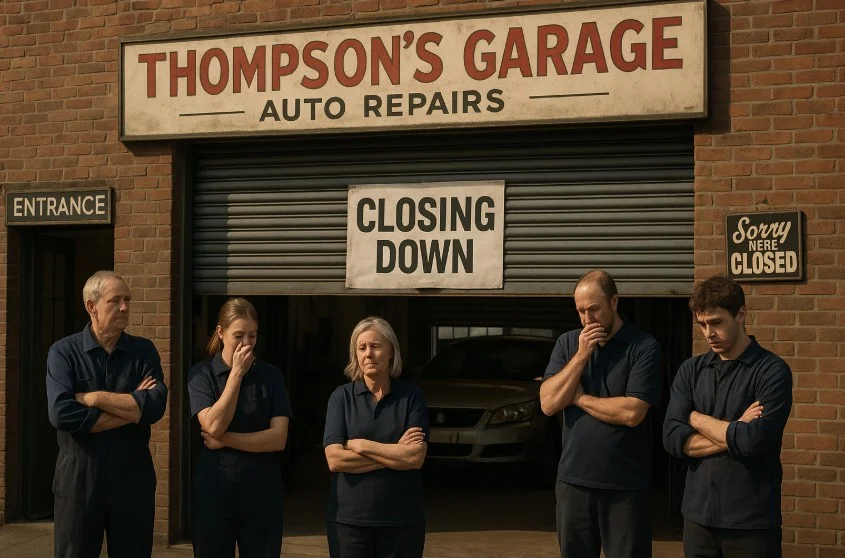

What causes a family-run business to close after more than a century of trusted service? This is the question facing the community of Cromer as the East Coast Motor Company prepares to shut its doors permanently.
Known as a mainstay in the coastal town since 1919, the business has weathered world wars, economic recessions, and generational changes. However, it now finds itself unable to survive the financial and structural challenges that have affected many small enterprises across the UK.
This article delves deep into the story of the East Coast Motor Company closure, exploring its heritage, the causes behind its downfall, and the wider implications for independent car dealerships in the country.
What Was the History Behind East Coast Motor Company’s Longstanding Legacy?
East Coast Motor Company’s legacy stretches back to 1919, when it first operated on Church Street under the name Cromer Motors. It began as a traditional car dealership representing classic British manufacturers including Austin, Morris, BMC, MG, and Rover, earning early recognition as a trusted local motor retailer.
In 1967, the business relocated to Beach Road, where George Rounce, father of the most recent owner, secured a Ford dealership agreement, marking a significant step toward expansion and brand alignment with a global industry leader.
As motoring needs changed, the company evolved beyond sales into servicing, MOT testing, and repairs. For more than a century, it served multiple generations in Cromer, building a reputation deeply embedded in the community.
Why Did East Coast Motor Company Cease Car Sales Before Its Final Closure?
East Coast Motor Company’s gradual decline began when external pressures reshaped its entire operating model. Following the COVID-19 pandemic, car sales fell sharply, reducing overall revenue by nearly 50%. This forced the company to reassess its priorities and restructure its offerings.
A major blow came in 2021 when Ford withdrew new car franchise rights from smaller dealerships across the UK.
As a result, East Coast Motor Company could no longer sell new Ford vehicles, limiting it to repairs and used stock. This shift significantly reduced customer intake and long-term profitability.
Key effects included:
- Loss of primary manufacturer partnership
- Decline in high-margin new car sales
- Increased dependency on servicing alone
Although the business attempted to survive by focusing solely on repairs, the absence of sales revenue ultimately led to its closure in December 2025.
Who Is Adam Rounce and What Role Did He Play in the Business?
Understanding the role of Adam Rounce is essential to recognising how deeply the business was rooted in family tradition and community loyalty.
Adam Rounce: The Fourth-Generation Custodian
Adam Rounce served as the managing director of East Coast Motor Company and represented the fourth generation of his family to oversee the business, tracing back to its founding in 1919. He grew up within the dealership, inheriting not just its leadership but also its longstanding values and local reputation.
When announcing the closure, Adam described the decision as one he “never imagined having to make,” reflecting both emotional weight and responsibility.
Key reflections he shared included:
- The pressure of maintaining a century-old family legacy
- Financial and industry factors that forced closure
- Appreciation for long-term community support
His message remained grounded in gratitude, extending thanks to customers, staff, suppliers, and the wider Cromer community for their loyalty over the decades.
What Financial Challenges Made Closure Inevitable?

Operating a business in today’s economic climate is increasingly difficult, especially for small, independent companies. For East Coast Motor Company, the financial hurdles became too significant to overcome.
Primary Financial Pressures
| Financial Challenge | Impact on Business |
| Loss of Ford Franchise | Eliminated new vehicle revenue stream |
| Post-COVID Sales Decline | Reduced overall sales by nearly 50% |
| Rising Overheads | Increased utility, wage, and rent costs |
| Market Shift to Online Sales | Reduced foot traffic to physical showroom |
| Economic Uncertainty | Lower consumer spending and cautious purchasing behaviour |
As these issues compounded over time, the business was left in a precarious position. Unlike large dealerships that can absorb economic shocks, smaller businesses like East Coast Motor Company lack the financial cushioning and structural support to weather prolonged downturns.
Even as an independent service centre, it struggled with increasing operational costs. From insurance premiums to parts procurement and staffing, every element of the business saw a rise in expenses.
Ultimately, the company could not generate enough revenue to remain viable, prompting the difficult but necessary decision to close.
How Has the Local Community Reacted to the Closure?
The closure of East Coast Motor Company has struck a deep chord in the local community. For many Cromer residents, the garage was more than just a business, it was part of the town’s identity.
Families had bought their first cars there, relied on its MOT services, and built longstanding relationships with the Rounce family and staff.
On social media, particularly Facebook, messages of support and nostalgia have poured in. Customers shared memories of interactions with staff, their appreciation for the trustworthy service, and the sadness of seeing such a local fixture disappear.
This response underscores the importance of businesses that not only offer products or services but also foster genuine human connection over time.
What Will Happen to the Beach Road Premises After Closure?
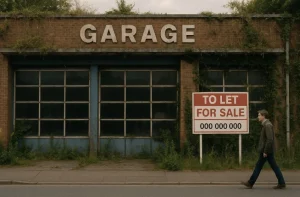
While the operational side of East Coast Motor Company is winding down, the future of its physical premises remains uncertain. The property on Beach Road has long been a commercial cornerstone in Cromer, but its continued viability is now in question.
Adam Rounce has stated that, given the current economic climate, he does not foresee the site remaining a viable commercial space. This concern is not unfounded.
The shift in consumer behaviour, increased reliance on digital transactions, and declining demand for in-person dealership experiences have all led to reduced footfall across similar locations in the UK.
The table below outlines some potential future uses for the site, based on trends in commercial property redevelopment:
| Potential Use | Likelihood | Considerations |
| Commercial Reuse (Garage or Workshop) | Low | High costs, reduced demand |
| Mixed-Use Redevelopment | Medium | Depends on investor interest |
| Residential Conversion | Medium to High | Increasing demand for housing |
| Community Facility | Low | Requires public funding or donation |
Until a formal decision is made, the premises will likely remain unoccupied, serving as a physical reminder of a bygone era in local business.
What Does This Closure Say About the State of Small UK Dealerships?
The story of East Coast Motor Company is, unfortunately, not an isolated case. Across the UK, small and independent car dealerships are facing mounting challenges, many of which mirror those experienced in Cromer.
Key industry trends include:
- Centralisation by Major Brands: Large manufacturers are consolidating dealership networks, reducing the number of independent franchise holders.
- Digital Transformation: Online vehicle sales platforms are disrupting traditional showroom models, offering greater convenience and broader options to consumers.
- Economic Volatility: Rising interest rates, inflation, and cost of living pressures are causing consumers to delay or avoid large purchases like cars.
- Regulatory Changes: Stricter emissions rules and the shift towards electric vehicles are creating expensive compliance demands for smaller players.
Together, these factors have created a landscape where running a small dealership has become increasingly difficult, particularly without the financial backing of a major brand.
Could East Coast Motor Company Have Been Saved?
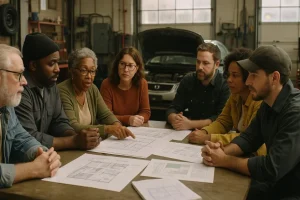
Whether East Coast Motor Company could have realistically been saved is a question many customers and locals continue to ask. While several intervention strategies were theoretically possible, each came with practical limitations.
Diversifying services, such as expanding into premium diagnostics or fleet contracts, may have eased revenue pressure, but rising labour and equipment costs would have offset gains.
Seeking external investment could have provided temporary relief, yet investor confidence remained low due to market instability and declining car sales.
Downsizing operations or relocating to a smaller unit might have reduced overheads, but the logistics and capital required made it unrealistic.
Community funding or buy-out models also work best in niche or heritage sectors, not high-cost motor operations. Combined, these constraints made long-term survival unlikely.
What Is the Legacy of East Coast Motor Company in Cromer and Beyond?
The closure of East Coast Motor Company marks the end of a significant chapter not only in Cromer’s commercial history but also in the broader narrative of British family-run businesses. For over 105 years, it stood as a model of community trust, resilience, and service excellence.
Its contributions spanned generations:
- Helping residents find their first vehicles
- Providing reliable maintenance and repairs
- Offering employment opportunities to local talent
- Maintaining strong customer relationships built on trust and integrity
As it closes its doors for the last time, the legacy of East Coast Motor Company serves as both a reminder of what community-based businesses can achieve, and a cautionary tale about the fragility of even the most established enterprises in a rapidly changing economic environment.
Conclusion
The closure of East Coast Motor Company marks the end of a remarkable 105-year journey rooted in family, community, and tradition. While economic pressures and industry shifts made its continuation unsustainable, its legacy in Cromer and beyond remains strong.
As small businesses across the UK face similar challenges, East Coast Motor Company stands as a poignant reminder of the importance of local enterprises, and the impact they leave behind when they’re gone.
Frequently Asked Questions
When is the official closing date for East Coast Motor Company?
The company is scheduled to close permanently on December 19, marking the end of over a century of operation.
Was East Coast Motor Company still offering services before closing?
Yes, the company continued to provide MOTs, vehicle servicing, and repairs until shortly before the closure date.
What role did Ford’s decision in 2021 play in this closure?
The removal of new car franchises from small dealerships significantly affected East Coast Motor Company’s revenue and long-term viability.
Are there other garages in the UK facing similar shutdowns?
Yes, many independent garages are experiencing financial pressure due to rising costs, evolving consumer habits, and manufacturer restructuring.
What alternatives do customers in Cromer now have for car services?
Customers will likely need to seek services from nearby towns or larger franchised dealerships outside Cromer.
How common are fourth-generation family businesses in the UK automotive sector?
They are increasingly rare, as generational transitions and economic challenges make it difficult for family firms to survive long term.
Has the community planned any tributes or recognition for the business?
While no formal tributes have been announced, public expressions of gratitude have been widely shared across social media and local networks.